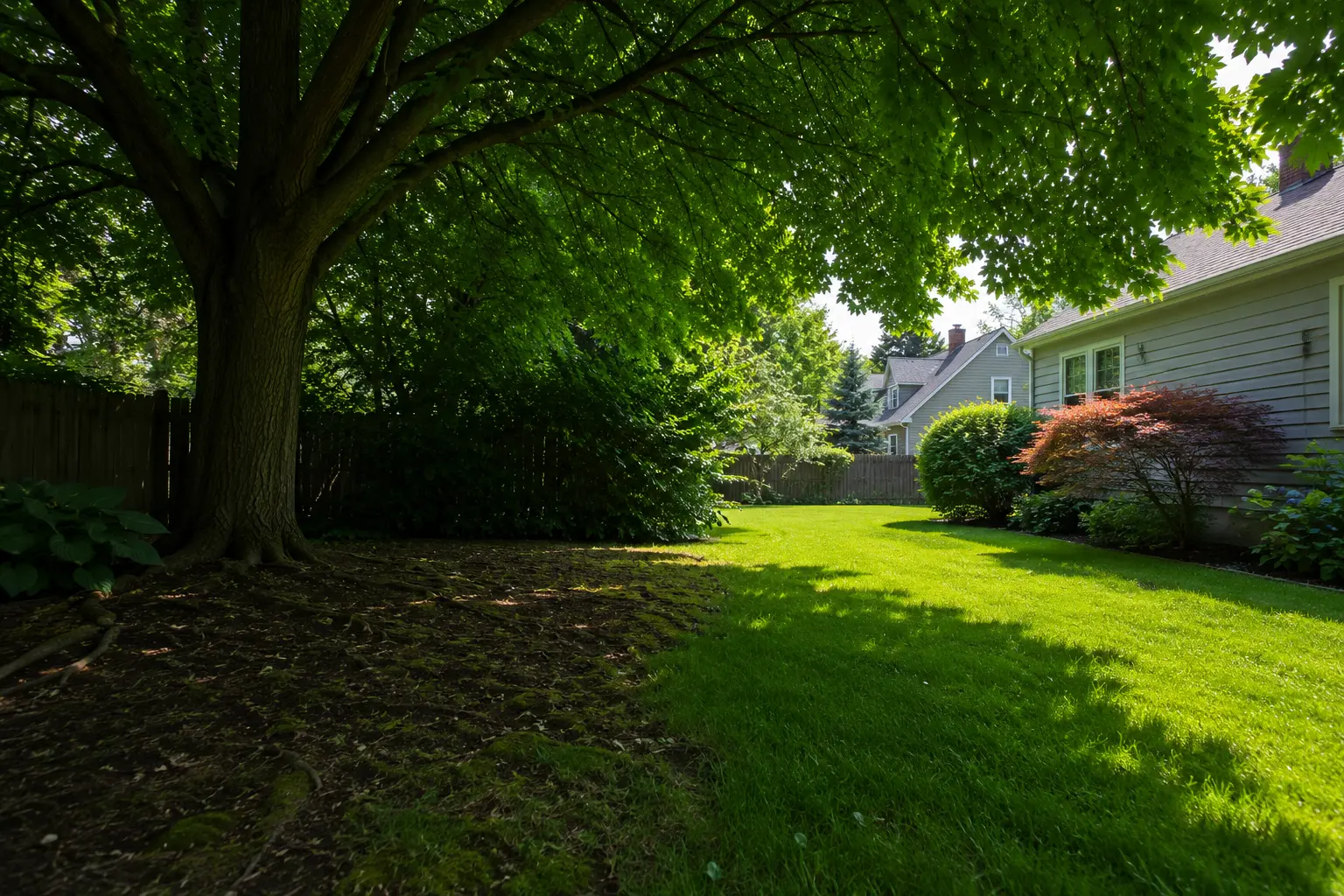
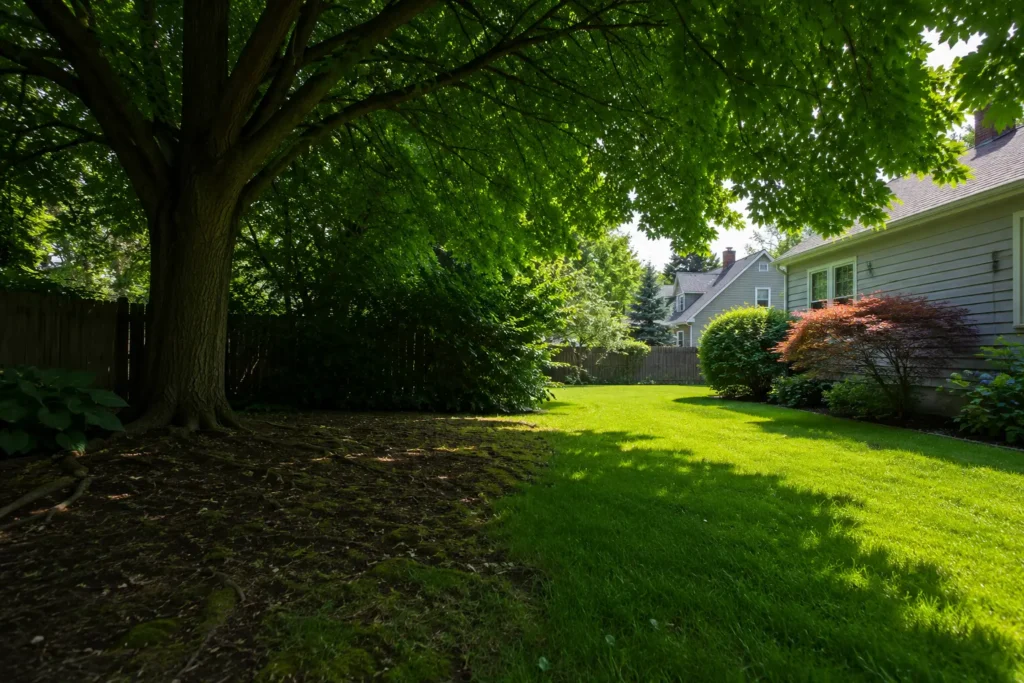
How Dense Tree Canopies Change Yard Conditions in Rochester NY
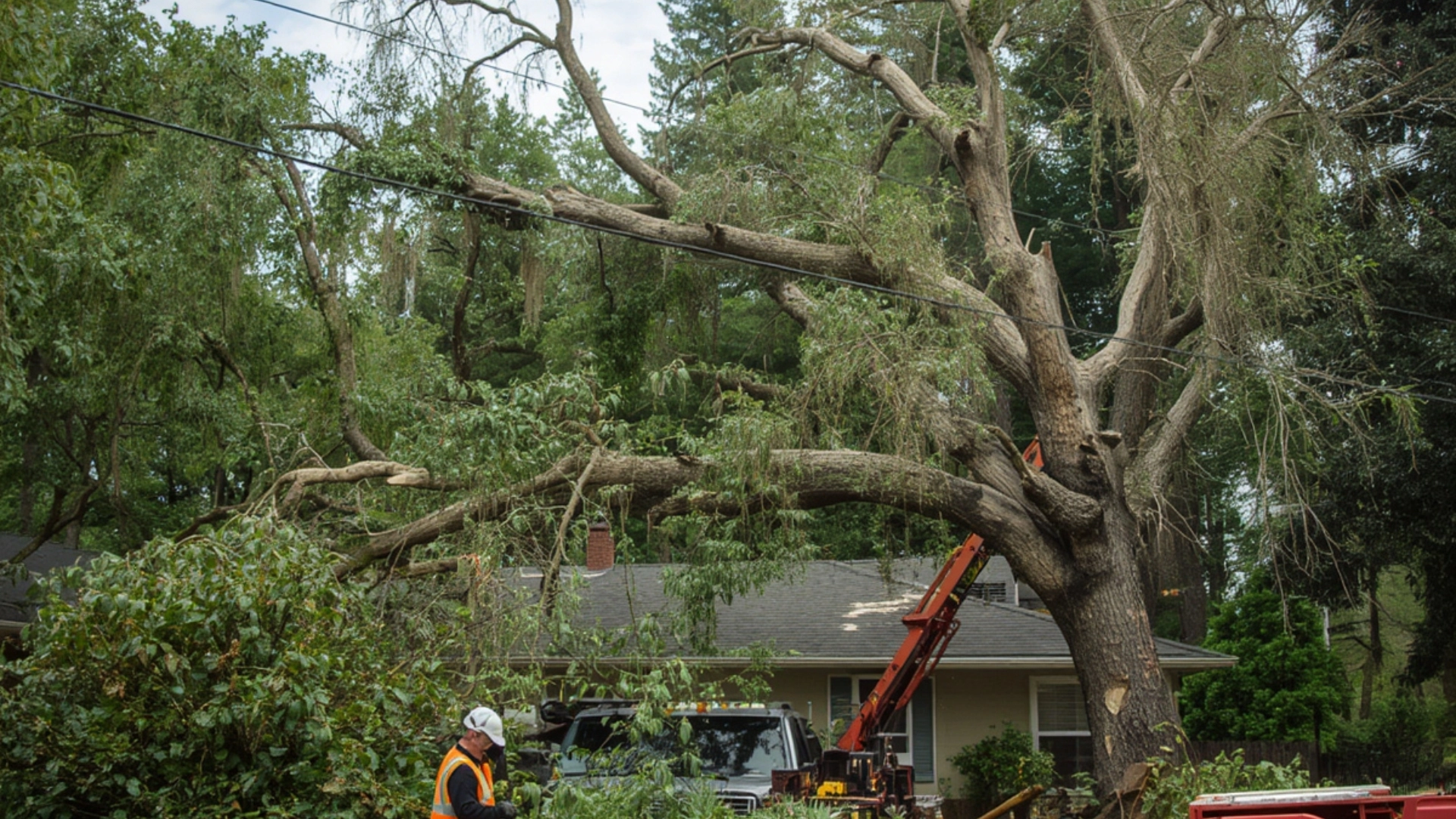
Trees are among the most valuable features of a residential landscape. They provide beauty, shade, privacy, and environmental benefits that enhance outdoor living spaces. However, when tree canopies become too dense or overgrown, they can significantly affect the health of lawns, gardens, and the overall condition of a property. Many homeowners in Rochester, NY notice thinning grass, poor drainage, and struggling landscape plants without realizing that excessive canopy coverage may be the root cause.
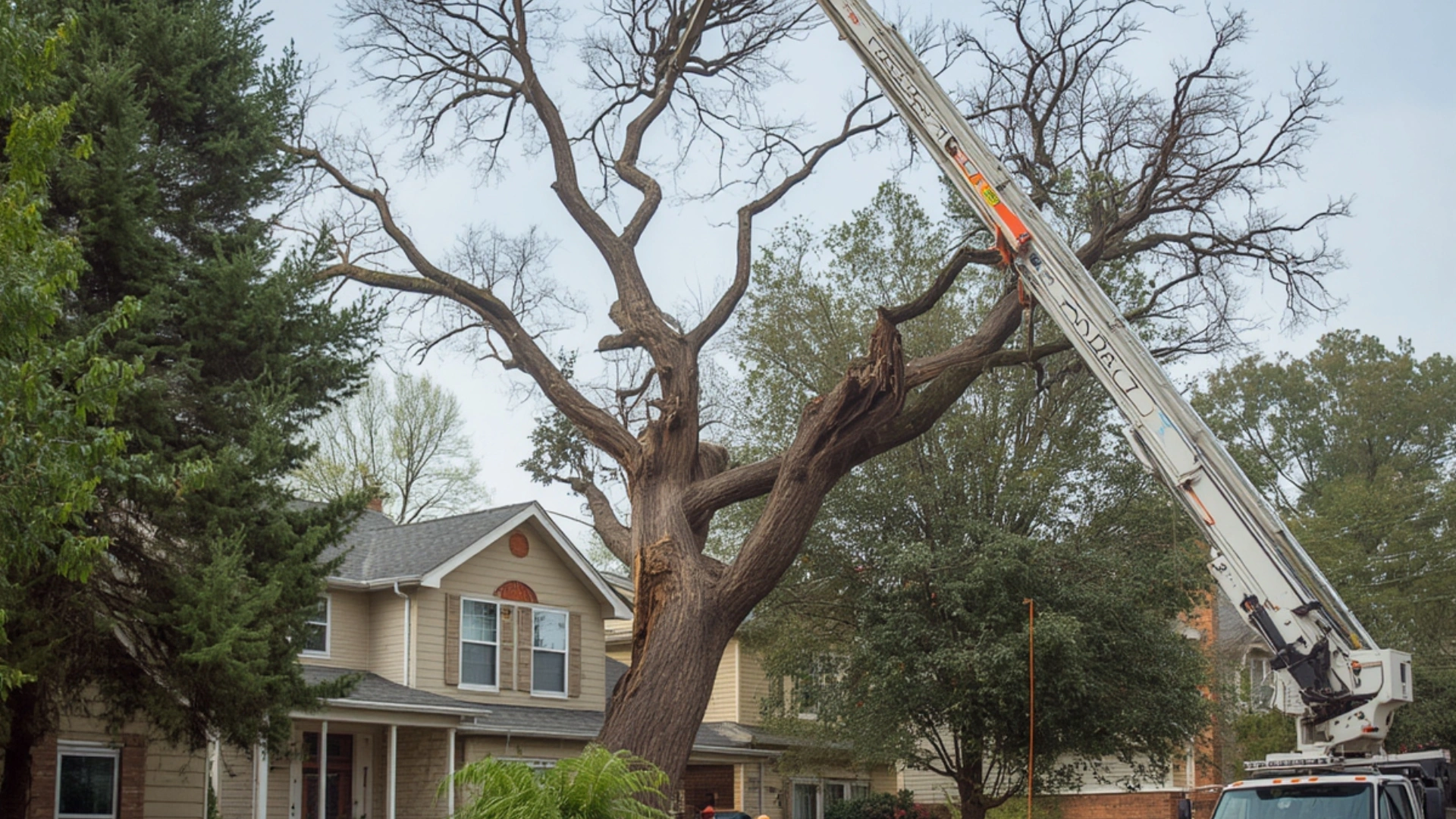
Understanding how large tree canopies influence sunlight, moisture, airflow, and soil conditions can help property owners make informed decisions about landscape maintenance. Professional Tree Care Solutions in Rochester NY can address these challenges while preserving the health and beauty of mature trees.
Understanding Tree Canopies
A tree canopy refers to the upper layer of branches and leaves that spread outward from the trunk. Healthy canopies are essential for tree growth because they allow trees to capture sunlight and produce energy through photosynthesis.
As trees mature, their canopies naturally expand. While larger canopies provide welcome shade during Rochester’s warm summer months, they can also create unintended consequences for the landscape below.
When canopy growth becomes excessive, sunlight struggles to reach the ground, moisture patterns change, and nearby vegetation may suffer.
Why Sunlight Matters for Healthy Lawns
Grass requires sunlight to thrive. Most lawn varieties commonly found in Rochester need several hours of direct or filtered sunlight each day to maintain strong root systems and healthy growth.
When large tree canopies block sunlight, grass often experiences:
- Thin or patchy growth
- Discoloration
- Weak root development
- Increased susceptibility to disease
- Reduced drought tolerance
Even grass varieties marketed as shade-tolerant require some level of sunlight to survive.
Over time, lawns growing beneath dense canopies may decline despite regular watering and fertilization.
How Dense Tree Canopies Reduce Lawn Growth
One of the most common reasons homeowners seek Tree Care Solutions in Rochester NY is declining lawn health beneath mature trees.
Dense canopies affect grass growth in several ways:
Limited Photosynthesis
Grass depends on sunlight to convert nutrients into energy. Without adequate light, grass blades become weak and thin.
Reduced Root Development
Lack of sunlight limits root growth, making grass less capable of absorbing water and nutrients.
Increased Competition
Tree roots often compete directly with grass for moisture and nutrients in the soil.
Slower Recovery
Shaded lawns recover more slowly from foot traffic, weather stress, and disease outbreaks.
The combination of these factors often results in bare patches and declining lawn quality.
The Impact on Landscape Plants and Gardens
Lawns are not the only landscape elements affected by excessive canopy cover.
Many ornamental plants require varying amounts of sunlight to flourish. Dense tree canopies may prevent flowers, shrubs, and garden plants from receiving the light they need.
Common symptoms include:
- Reduced flowering
- Stunted growth
- Sparse foliage
- Increased susceptibility to pests
- Weak seasonal performance
Property owners often invest in new landscaping without realizing that sunlight limitations are preventing plants from reaching their full potential.
Air Circulation Problems Under Dense Canopies
Tree canopies influence more than just sunlight. They also affect airflow throughout the landscape.
When branches become overcrowded, airflow decreases beneath the canopy.
Poor air circulation can contribute to:
- Excess moisture retention
- Mold growth
- Fungal diseases
- Increased pest activity
- Damp lawn conditions
Improving airflow through professional pruning helps create healthier growing conditions for both trees and surrounding vegetation.
Why Shade Can Lead to Lawn Disease
Disease problems often increase in heavily shaded areas.
Grass that remains damp for extended periods becomes vulnerable to fungal infections and other lawn diseases.
Common lawn problems associated with excessive shade include:
- Brown patch
- Powdery mildew
- Red thread
- Leaf spot diseases
Shaded environments create ideal conditions for these issues to develop and spread.
Professional Tree Care Solutions in Rochester NY often include canopy thinning strategies that improve sunlight penetration and reduce disease pressure.
The Connection Between Tree Canopies and Drainage Problems
Many homeowners are surprised to learn that tree canopies can affect drainage patterns.
Large canopies intercept rainfall before it reaches the ground. While this can reduce soil erosion, it may also create uneven moisture distribution.
Some areas become excessively dry while others remain constantly damp.
Additionally, dense shade limits evaporation, causing moisture to linger in the soil.
This combination can contribute to:
- Muddy areas
- Standing water
- Moss growth
- Soil compaction
- Poor lawn performance
Proper canopy management helps create more balanced moisture conditions throughout the landscape.
How Tree Roots Add to Lawn Challenges
Tree canopies and root systems work together to influence yard conditions.
Large trees often develop extensive root networks that compete directly with grass and plants.
Tree roots absorb:
- Water
- Nutrients
- Oxygen
As roots expand, nearby turfgrass may struggle to obtain the resources needed for healthy growth.
In some cases, exposed roots also create mowing challenges and increase the risk of lawn damage.
Seasonal Effects of Dense Tree Canopies
The impact of dense canopies changes throughout the year.
Spring
Heavy shade can delay soil warming and slow grass growth after winter dormancy.
Summer
Dense shade may provide cooling benefits but can also weaken grass if sunlight becomes too limited.
Fall
Large canopies contribute significant leaf accumulation, which can smother grass if not removed promptly.
Winter
Overhanging branches may trap snow and ice, increasing stress on both trees and the landscape below.
Year-round maintenance helps minimize these seasonal challenges.
Benefits of Professional Canopy Management
Proper canopy management allows homeowners to enjoy the benefits of mature trees without sacrificing lawn health.
Professional tree care services can:
- Improve sunlight penetration
- Increase airflow
- Reduce disease risks
- Enhance landscape appearance
- Support healthy grass growth
- Improve drainage conditions
Strategic pruning focuses on improving overall tree structure while maintaining the tree’s natural beauty.
What Is Canopy Thinning?
Canopy thinning is a specialized pruning technique designed to selectively remove specific branches throughout the tree crown.
Benefits include:
- Better light distribution
- Improved air circulation
- Reduced branch weight
- Enhanced storm resistance
- Healthier surrounding vegetation
Unlike aggressive trimming, canopy thinning preserves the tree’s appearance while improving landscape conditions.
Improving Property Appearance Through Tree Care
Overgrown trees can make a yard feel dark, crowded, and uninviting.
Professional canopy management helps:
- Create a more open landscape
- Highlight landscape features
- Improve visibility
- Enhance curb appeal
- Increase outdoor usability
Many homeowners notice dramatic improvements in both lawn health and overall property aesthetics following canopy maintenance.
Supporting Healthy Tree Growth
Some property owners hesitate to prune mature trees because they worry about harming them.
In reality, proper pruning often improves tree health.
Benefits include:
- Removal of dead branches
- Reduced disease risk
- Better structural stability
- Improved nutrient distribution
- Stronger branch development
Routine maintenance helps trees remain healthy while minimizing negative impacts on surrounding landscapes.
Why DIY Pruning Can Cause Problems
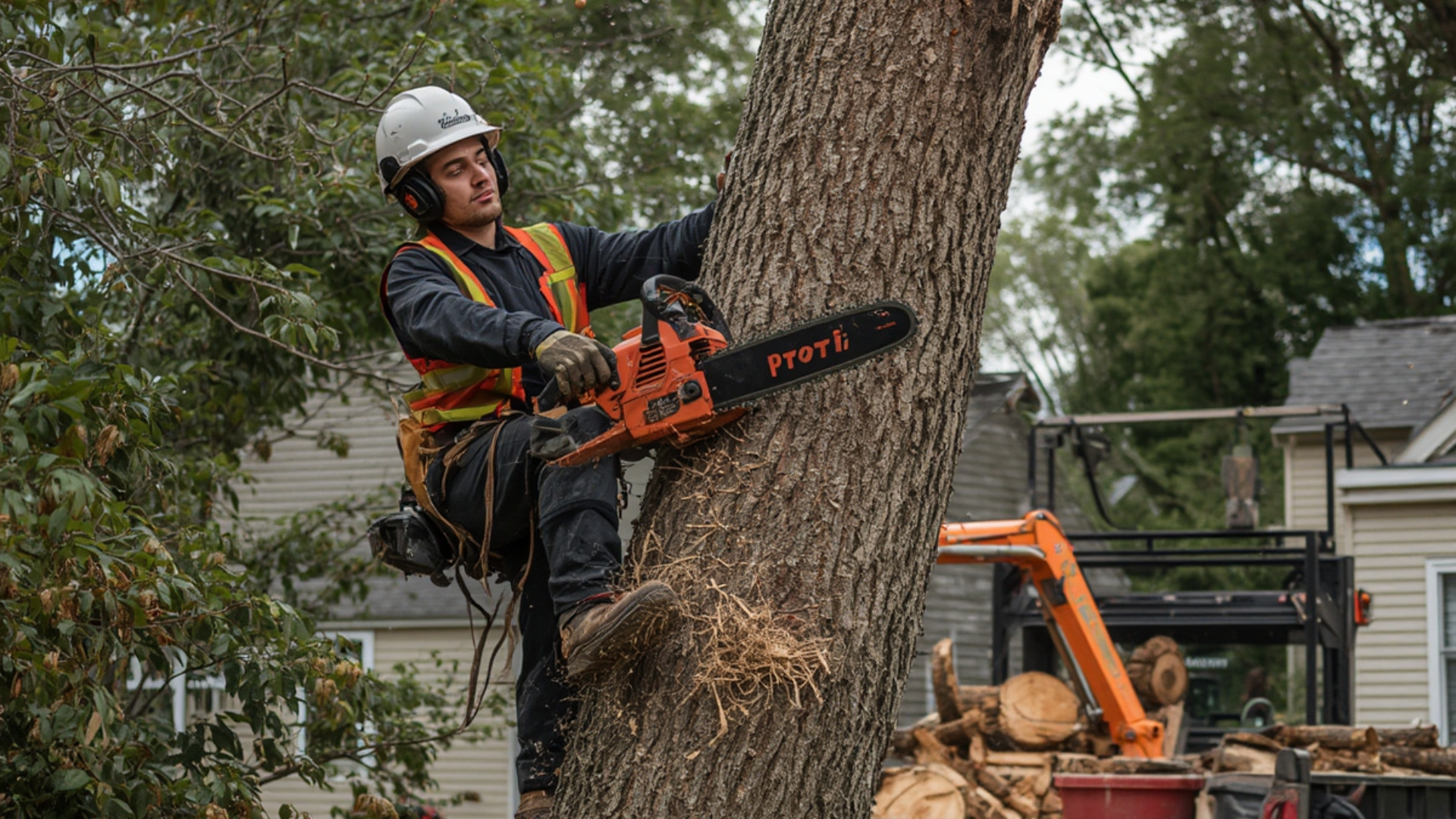
Attempting to manage large tree canopies without professional experience can create significant risks.
Improper pruning may result in:
- Permanent tree damage
- Disease introduction
- Structural instability
- Unsafe branch growth
- Reduced tree lifespan
Professional arborists understand how to make precise cuts that benefit both the tree and the surrounding landscape.
Tree Care Solutions for Rochester Properties
Every property presents unique challenges.
Factors that influence canopy management include:
- Tree species
- Tree age
- Property size
- Lawn conditions
- Drainage concerns
- Sunlight requirements
Professional Tree Care Solutions in Rochester NY involve evaluating these factors to create customized maintenance plans.
Services may include:
- Tree inspections
- Canopy thinning
- Crown reduction
- Structural pruning
- Deadwood removal
- Health assessments
These solutions help homeowners maintain a balanced relationship between trees and landscape plants.
Long-Term Benefits of Proper Tree Care
Investing in routine tree maintenance provides long-term advantages for both trees and property owners.
Benefits include:
Healthier Lawns
Improved sunlight and reduced competition support stronger grass growth.
Better Drainage
Balanced moisture conditions reduce standing water and muddy areas.
Increased Property Value
Healthy trees and attractive landscapes contribute to curb appeal.
Reduced Maintenance Costs
Preventive care helps avoid costly tree-related problems.
Enhanced Outdoor Living
Improved light conditions create more usable outdoor spaces.
When Should Homeowners Consider Canopy Management?
Signs that canopy maintenance may be needed include:
- Persistent bare patches in the lawn
- Excessive shade
- Poor grass growth
- Recurring lawn disease
- Damp or muddy areas
- Overcrowded branches
- Reduced flowering in landscape plants
Early intervention often produces the best results and helps prevent more serious landscape problems.
Conclusion
Mature trees are valuable assets, but dense canopies can significantly influence the health and appearance of Rochester landscapes. Excessive shade often contributes to thinning grass, poor plant growth, drainage issues, and increased disease pressure. Understanding how tree canopies affect sunlight, airflow, and soil conditions allows homeowners to take proactive steps toward maintaining a healthy yard.
Professional Tree Care Solutions in Rochester NY help balance the benefits of mature trees with the needs of lawns and landscaping. Through canopy thinning, pruning, and ongoing maintenance, property owners can improve sunlight exposure, enhance drainage, support healthy vegetation, and preserve the long-term health of their trees.
With proper care and expert guidance, Rochester homeowners can enjoy beautiful trees and thriving landscapes that complement one another for years to come.
Frequently Asked Questions
How do tree canopies affect lawn growth?
Dense tree canopies block sunlight and increase competition for water and nutrients, making it difficult for grass to grow and thrive.
Can too much shade kill grass?
Yes. Most grass varieties require several hours of sunlight daily. Excessive shade can weaken grass, leading to thinning, discoloration, and bare patches.
What is canopy thinning?
Canopy thinning is a pruning technique that selectively removes branches to improve sunlight penetration and air circulation without significantly altering the tree’s natural appearance.
Can tree canopies cause drainage problems?
Yes. Dense canopies affect moisture distribution and can contribute to damp soil, standing water, and poor drainage conditions in some areas of the yard.
How often should mature trees be pruned?
Most mature trees benefit from professional inspections and pruning every three to five years, although some species may require more frequent maintenance.
Why hire professionals for canopy management?
Professional tree care experts understand proper pruning techniques, tree biology, and safety procedures, ensuring healthy results for both trees and landscapes.