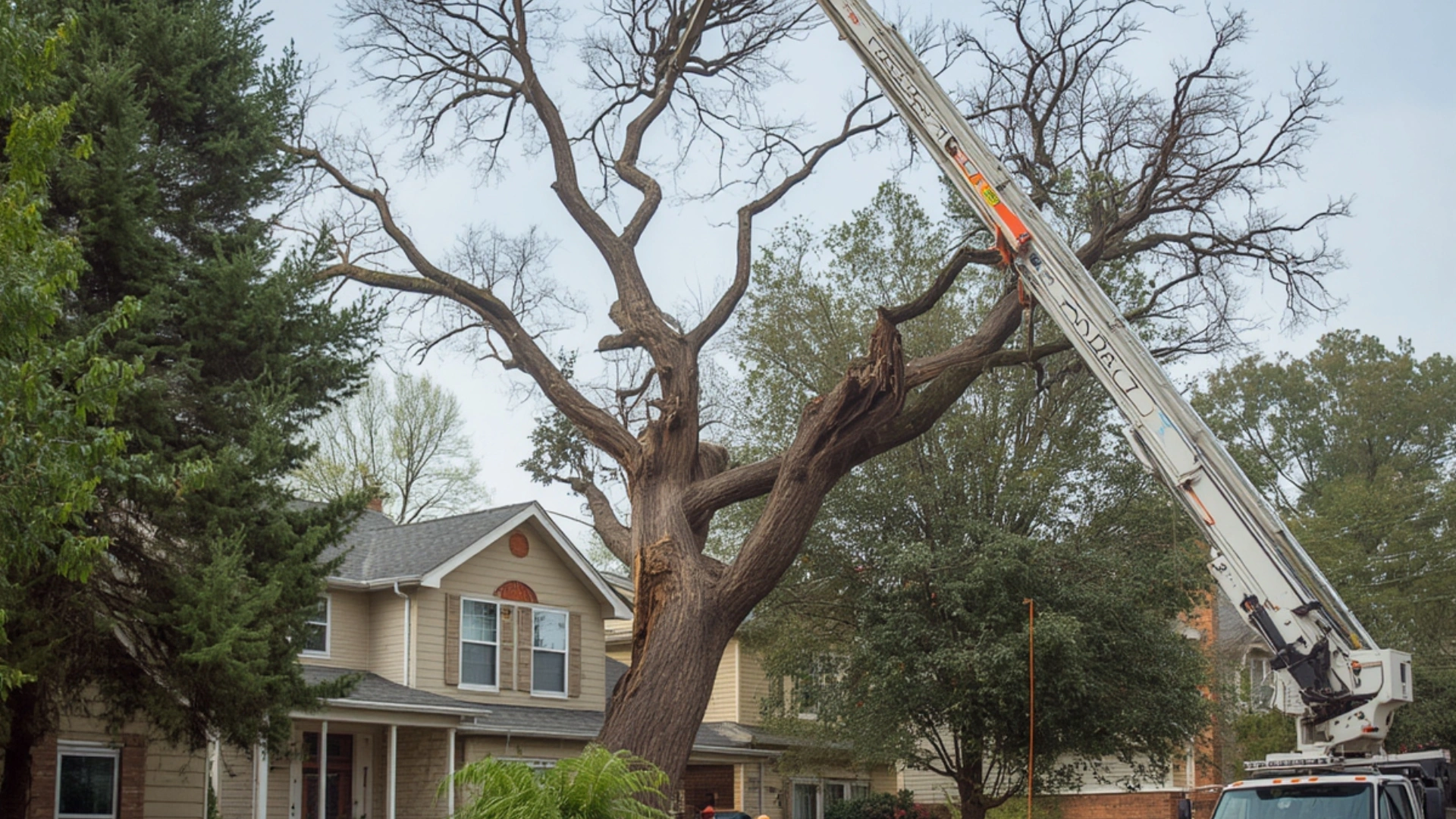
Tree Fell on My House in Rochester, NY: What to Do in the First 24 Hours
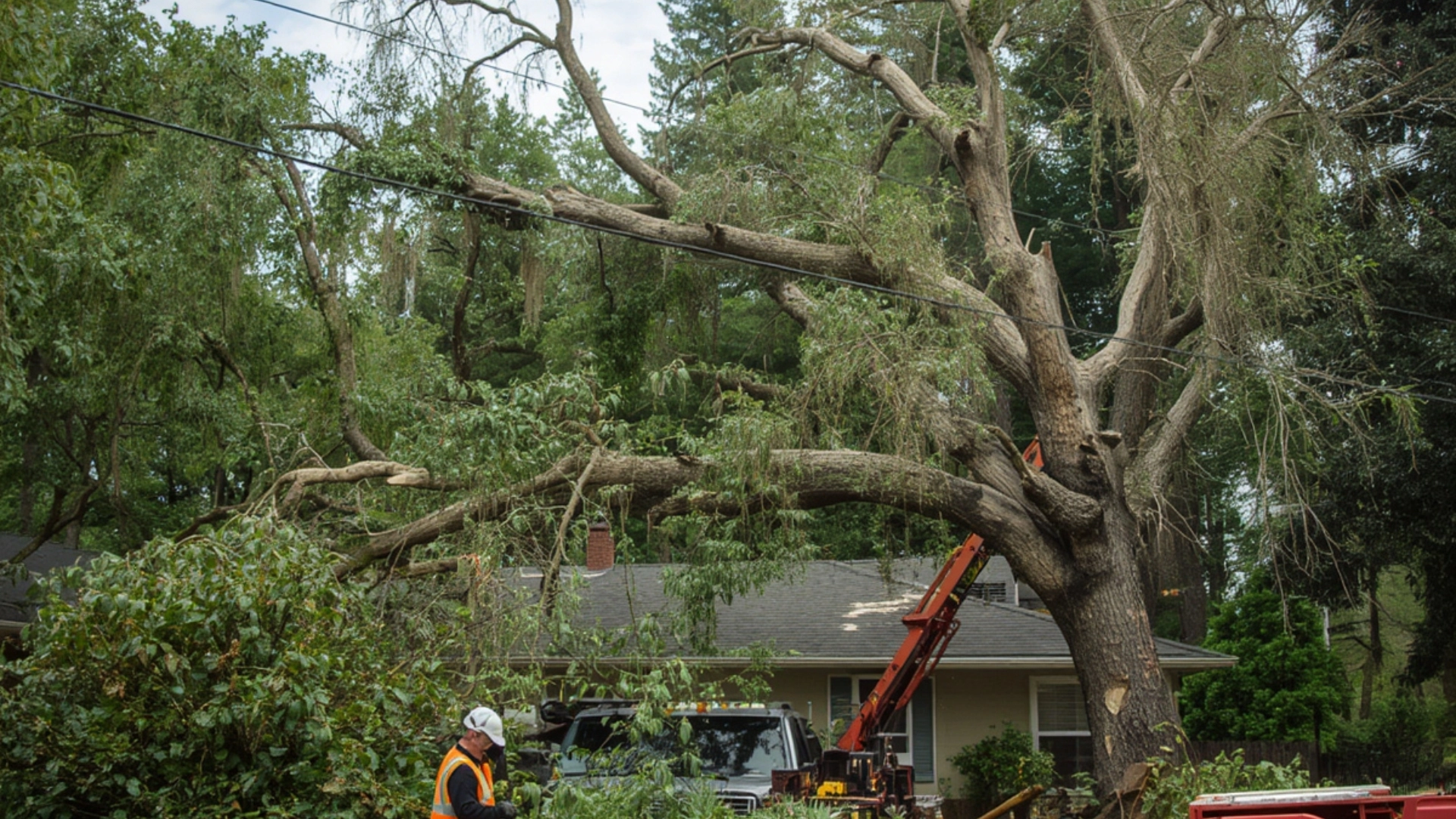
A severe storm can turn an ordinary day into a stressful emergency in just a few minutes. High winds, heavy rain, ice, and snow are common in Rochester, NY, and they can cause even healthy trees to fail unexpectedly. If a tree crashes onto your home, acting quickly and safely during the first 24 hours can help protect your family, reduce additional property damage, and speed up the recovery process.
Many homeowners panic when they see a tree on their roof, but knowing what to do—and what not to do—makes a significant difference. Whether the tree has completely fallen or you’re dealing with a leaning tree after storm emergency, this guide explains the essential steps to take immediately. If you’re searching for tree removal near me Rochester NY, understanding the proper response can help you choose the right emergency tree service while keeping everyone safe.
Why Trees Fall on Homes in Rochester
Rochester experiences a variety of weather conditions throughout the year that can weaken trees over time. Heavy snow accumulation, ice storms, saturated soil, and strong wind gusts all increase the likelihood of tree failures.
Common causes include:
- High windstorms
- Ice-covered branches
- Heavy snowfall
- Lightning strikes
- Root decay
- Soil erosion
- Old or diseased trees
- Insect infestations
- Construction damage to roots
- Previous storm damage
Even healthy-looking trees can develop hidden structural problems that become apparent only during severe weather.
Step 1: Make Sure Everyone Is Safe
Your family’s safety is always the first priority.
If a tree has fallen onto your house:
- Stay calm.
- Check everyone for injuries.
- Evacuate the home if structural damage appears significant.
- Avoid damaged rooms.
- Keep children and pets away from the affected area.
Never assume your home is safe simply because it is still standing.
Step 2: Watch for Electrical Hazards
One of the biggest dangers after a tree falls is damaged electrical wiring.
Warning signs include:
- Downed power lines
- Sparking wires
- Burning smells
- Flickering electricity
- Exposed electrical panels
If you suspect electrical damage:
- Leave the house immediately.
- Stay far away from fallen wires.
- Contact your utility company.
- Call emergency services if necessary.
Never attempt to move branches touching power lines.
Step 3: Call Emergency Services If Necessary
Some situations require immediate emergency assistance.
Call 911 if:
- Someone is injured.
- The tree has caused a gas leak.
- Electrical hazards exist.
- The structure appears ready to collapse.
- Roads are blocked creating dangerous conditions.
Emergency responders can secure the area before cleanup begins.
Step 4: Document the Damage
Before moving anything, take photographs of:
- Roof damage
- Broken windows
- Interior damage
- Fallen limbs
- Nearby structures
- Vehicles
- Landscaping
- Utility damage
Photographs are valuable for insurance claims and contractor assessments.
Take pictures from multiple angles while maintaining a safe distance.
Step 5: Contact Your Insurance Company
Notify your homeowners insurance provider as soon as possible.
Be prepared to provide:
- Policy number
- Photos
- Description of the incident
- Time of damage
- Emergency repairs already completed
Most insurance companies appreciate prompt reporting and may recommend temporary measures to prevent additional damage.
Step 6: Call a Professional Tree Service
Removing a fallen tree from a home is never a DIY project.
Large trees often place thousands of pounds of pressure on roofing systems. Improper removal can cause additional structural collapse.
If you’re searching for tree removal near me Rochester NY, choose a company experienced in emergency tree removal, storm cleanup, and hazardous tree work.
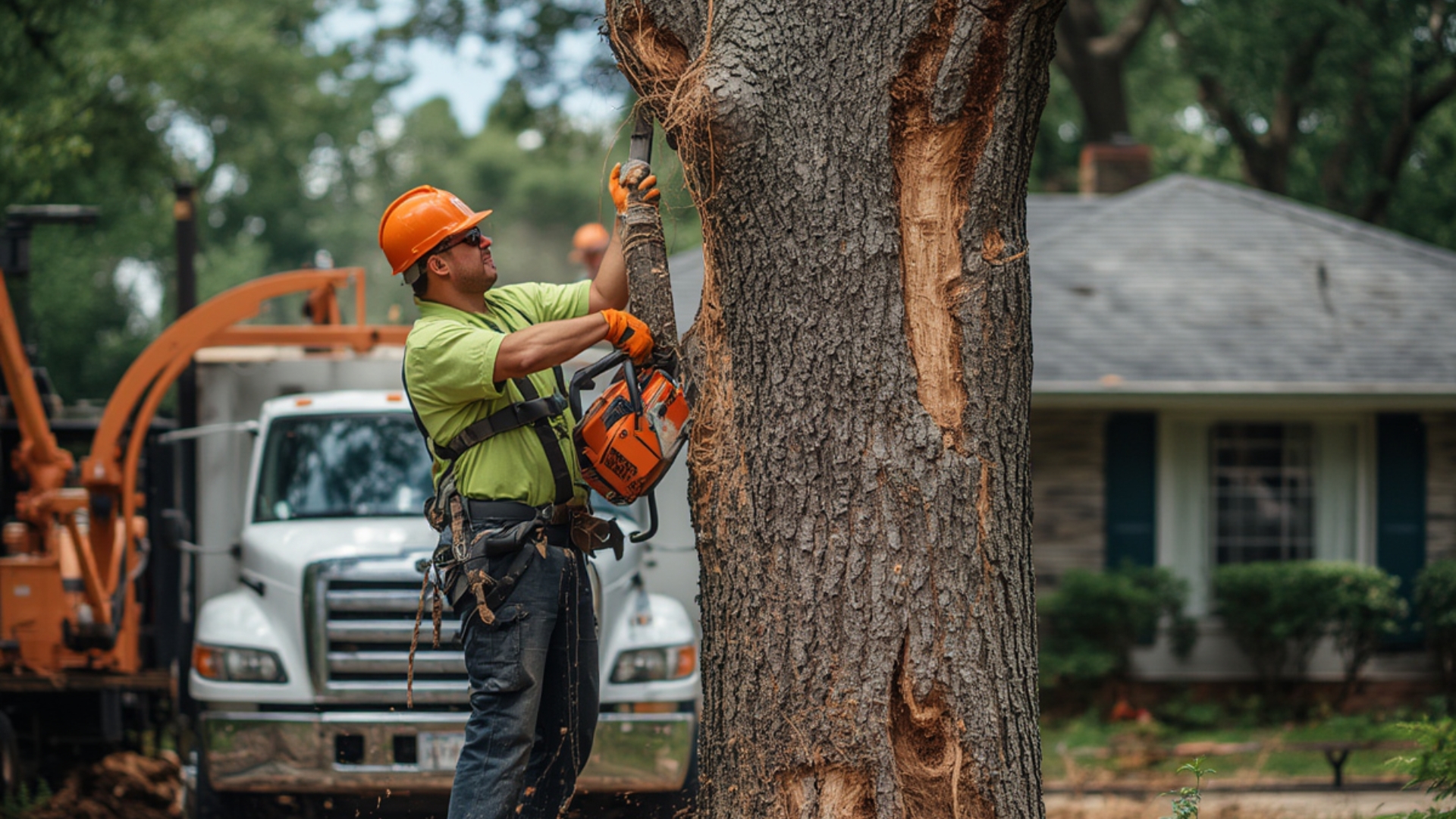
Professional crews have:
- Cranes
- Rigging systems
- Commercial chainsaws
- Safety equipment
- Insurance coverage
- Experience with structural removals
Step 7: Prevent Additional Damage
Once the tree has been safely removed, temporary protective measures may be necessary.
These may include:
- Roof tarping
- Window boarding
- Water extraction
- Debris removal
- Temporary structural support
Quick action helps reduce water damage and mold growth.
Understanding a Leaning Tree After a Storm
Not every emergency involves a tree that has already fallen.
A leaning tree after storm emergency can be just as dangerous.
Trees may appear stable while roots have already failed underground.
Signs include:
- Newly leaning trunk
- Cracked soil around roots
- Lifted root plate
- Split trunk
- Hanging branches
- Large cracks in the ground
Never assume a leaning tree will remain standing.
Professional evaluation is essential.
Why You Should Never Remove a Fallen Tree Yourself
Many homeowners underestimate the dangers involved.
Risks include:
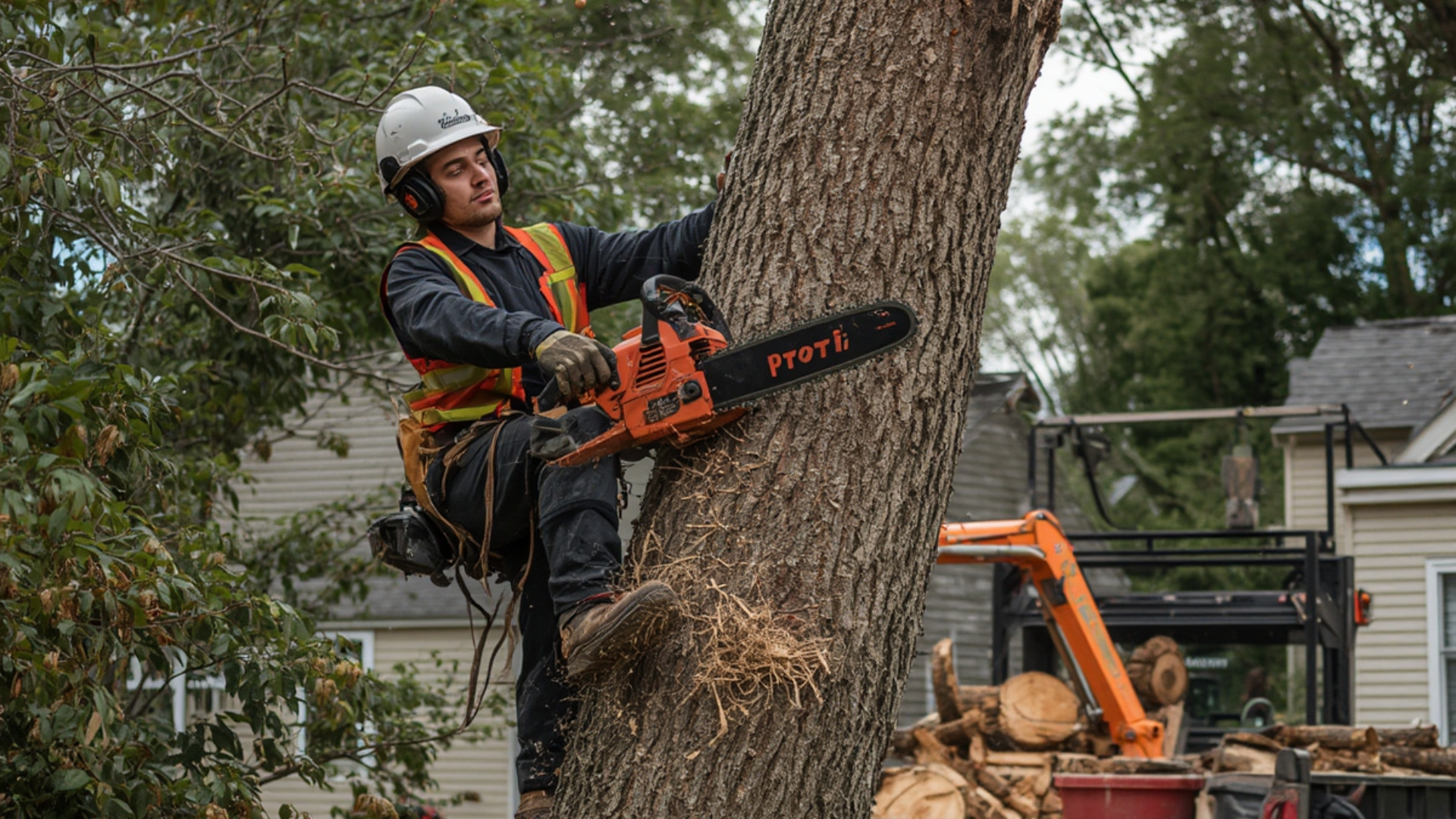
Chainsaw Injuries
Trees under tension can shift suddenly while cutting.
Structural Collapse
Removing the wrong branch may cause roofing to cave in.
Hidden Power Lines
Electricity may still be flowing through damaged lines.
Falling Limbs
Broken branches often remain suspended overhead.
Personal Injury
Emergency tree removal frequently involves climbing, lifting, and operating heavy equipment.
Professional tree crews receive specialized training for these situations.
How Emergency Tree Removal Works
Professional emergency services typically follow a structured process.
Initial Inspection
The crew evaluates:
- Structural stability
- Utility hazards
- Tree condition
- Safe removal options
Site Protection
The area is secured before work begins.
Controlled Removal
Trees are removed piece by piece using specialized equipment.
Debris Cleanup
Branches, logs, and debris are cleared from the property.
Final Safety Inspection
The site is inspected to ensure no additional hazards remain.
Common Types of Storm Damage
After severe weather, professionals often encounter:
- Trees through roofs
- Split trunks
- Broken limbs
- Hanging branches
- Uprooted trees
- Damaged garages
- Fence destruction
- Driveway blockages
Each situation requires a customized removal plan.
How to Reduce Future Tree Risks
Although storms cannot be prevented, proactive tree care significantly reduces the likelihood of catastrophic failures.
Homeowners should schedule:
Annual Tree Inspections
Professionals can detect decay before visible symptoms appear.
Regular Tree Pruning
Removing weak branches improves overall stability.
Deadwood Removal
Dead limbs frequently become dangerous during storms.
Cabling and Bracing
Certain mature trees benefit from structural support systems.
Disease Management
Early treatment helps preserve valuable trees.
Warning Signs a Tree May Be Unsafe
Watch for:
- Dead branches
- Hollow trunks
- Mushrooms near roots
- Leaning trees
- Large trunk cracks
- Peeling bark
- Root damage
- Sudden leaf loss
- Multiple broken limbs
Ignoring these warning signs often leads to expensive emergency situations.
Choosing the Right Emergency Tree Service
Not all companies are equipped for hazardous removals.
Choose professionals who offer:
- Emergency response
- Fully insured crews
- Modern equipment
- Experienced operators
- Storm damage expertise
- Complete cleanup
- Honest estimates
- Safe work practices
A qualified team protects both your property and your family’s safety.
Why Fast Action Matters
Waiting too long after a tree falls can create additional problems.
Delays may result in:
- Water intrusion
- Mold growth
- Roof collapse
- Pest infestations
- Increased repair costs
- Insurance complications
Prompt professional assistance helps minimize long-term damage.
Trust Cut Trim Tree Services for Emergency Tree Removal in Rochester, NY
When a tree falls on your home, every minute matters. Quick, professional action can help protect your property, reduce additional damage, and restore your peace of mind.
At Cut Trim Tree Services, we provide reliable emergency tree removal, storm damage cleanup, hazardous tree removal, and expert tree care throughout Rochester, NY, and surrounding communities. Whether you’re dealing with a fallen tree or a leaning tree after storm emergency, our experienced team has the equipment and expertise to respond safely and efficiently.
If you’re searching for tree removal near me Rochester NY, we’re ready to help with prompt, dependable service when you need it most.
Frequently Asked Questions
What should I do immediately after a tree falls on my house?
Ensure everyone is safe, evacuate if necessary, avoid damaged areas, document the damage, contact your insurance company, and call a professional emergency tree removal service.
Can I remove a fallen tree myself?
No. Trees resting on structures are extremely dangerous due to shifting weight, hidden tension, and potential electrical hazards. Professional removal is strongly recommended.
What if my tree is leaning after a storm but hasn’t fallen?
A leaning tree can still pose a serious risk. Contact a professional for an inspection, as damaged roots or internal cracks may cause the tree to fail unexpectedly.
Will homeowners insurance cover tree removal?
Coverage depends on your policy and the cause of the damage. If a tree damages your home during a covered event, many insurance policies help pay for removal and repairs.
How quickly should emergency tree removal be scheduled?
As soon as it is safe to do so. Prompt removal helps prevent further property damage, reduces safety hazards, and minimizes repair costs.
How can I prevent trees from falling during future storms?
Regular inspections, pruning, removal of dead branches, disease management, and addressing structural issues early can significantly reduce the risk of storm-related tree failures.