When Is the Best Time to Prune Trees in Rochester, NY? A Season-by-Season Guide
Tree pruning is one of the most important maintenance tasks for keeping your landscape healthy, beautiful, and safe. Whether you have mature oak trees, flowering ornamentals, maples, or evergreens, knowing the best time to prune trees Rochester NY can significantly improve tree health while reducing the risk of disease, storm damage, and costly emergency removals.
Rochester experiences four distinct seasons, freezing winters, wet springs, warm summers, and colorful autumns. These seasonal changes directly affect how trees grow, heal, and respond to pruning.
In this guide, we’ll explain the ideal pruning schedule for every season, discuss which trees benefit most from seasonal pruning, highlight common mistakes homeowners make, and explain when professional tree services are the safest option.
Why Timing Matters When Pruning Trees
Pruning isn’t simply cutting branches.
Proper pruning helps:
- Remove dead or diseased limbs
- Improve tree structure
- Encourage healthy growth
- Increase sunlight penetration
- Improve airflow through the canopy
- Reduce storm damage risks
- Prevent branches from interfering with homes or power lines
However, pruning at the wrong time can weaken trees, encourage pests, delay healing, and reduce flowering or fruit production. Most arborists recommend pruning during a tree’s dormant season because wounds heal faster once spring growth begins.
Rochester’s Climate and Tree Growth
Rochester, NY experiences:
- Long cold winters
- Heavy snowfall
- Humid summers
- Frequent windstorms
- Ice accumulation
- Seasonal temperature swings
These conditions mean trees undergo periods of dormancy followed by rapid spring growth. Understanding this cycle is the key to choosing the best time to prune trees Rochester NY.
Winter (December–February): The Best Time for Most Trees
For most tree species, winter is considered the ideal pruning season.
During winter:
- Trees are dormant
- Sap flow slows down
- Insects are inactive
- Disease organisms spread less easily
- Branch structure is easier to inspect without leaves
Professional arborists can also identify:
- Weak branch unions
- Hidden decay
- Deadwood
- Storm damage
- Structural defects
Winter pruning encourages vigorous spring growth while minimizing stress on the tree. This is especially beneficial for:
- Maple
- Oak
- Ash
- Elm
- Birch
- Honey Locust
- Sycamore
Because Rochester often receives significant snowfall, removing hazardous limbs before winter storms also improves property safety.
Early Spring (March–April)
Late winter and early spring remain excellent times for structural pruning before buds fully open.
Benefits include:
- Faster wound closure
- Healthy spring growth
- Easier shaping
- Better branch selection
This is also the perfect time to:
- Remove crossing branches
- Thin crowded canopies
- Improve tree balance
- Correct storm damage from winter
If you’re wondering about the best time to prune trees Rochester NY, late February through early April is often the preferred window for most deciduous trees.
Spring Flowering Trees Need Different Timing
Not every tree follows the same schedule.
Trees that bloom early in spring should generally be pruned after flowering, including:
- Crabapple
- Dogwood
- Redbud
- Magnolia
- Flowering Cherry
Pruning these trees before they bloom removes flower buds, reducing seasonal blossoms.
After flowering ends:
- Remove dead branches
- Thin crowded growth
- Shape lightly
- Remove rubbing limbs
Summer (June–August)
Summer pruning has a different purpose.
Instead of encouraging vigorous growth, summer pruning helps:
- Slow excessive growth
- Remove water sprouts
- Eliminate damaged branches
- Improve airflow
- Increase sunlight inside the canopy
Summer pruning is especially useful when:
- Branches block roofs
- Limbs cover driveways
- Storm damage occurs
- Branches interfere with utility lines
Only light pruning is recommended during hot weather because excessive branch removal can stress trees.
Fall (September–November)
Many homeowners assume fall is the perfect time for pruning because leaves begin falling.
Actually, major pruning is generally discouraged during autumn.
Reasons include:
- Trees are preparing for dormancy
- Healing slows dramatically
- Fresh cuts remain exposed longer
- Some fungal diseases spread more easily
- New growth stimulated by pruning may not harden before freezing weather
The only pruning recommended during fall is removing:
- Broken limbs
- Dead branches
- Dangerous hanging branches
- Storm-damaged wood
Large structural pruning should usually wait until winter.
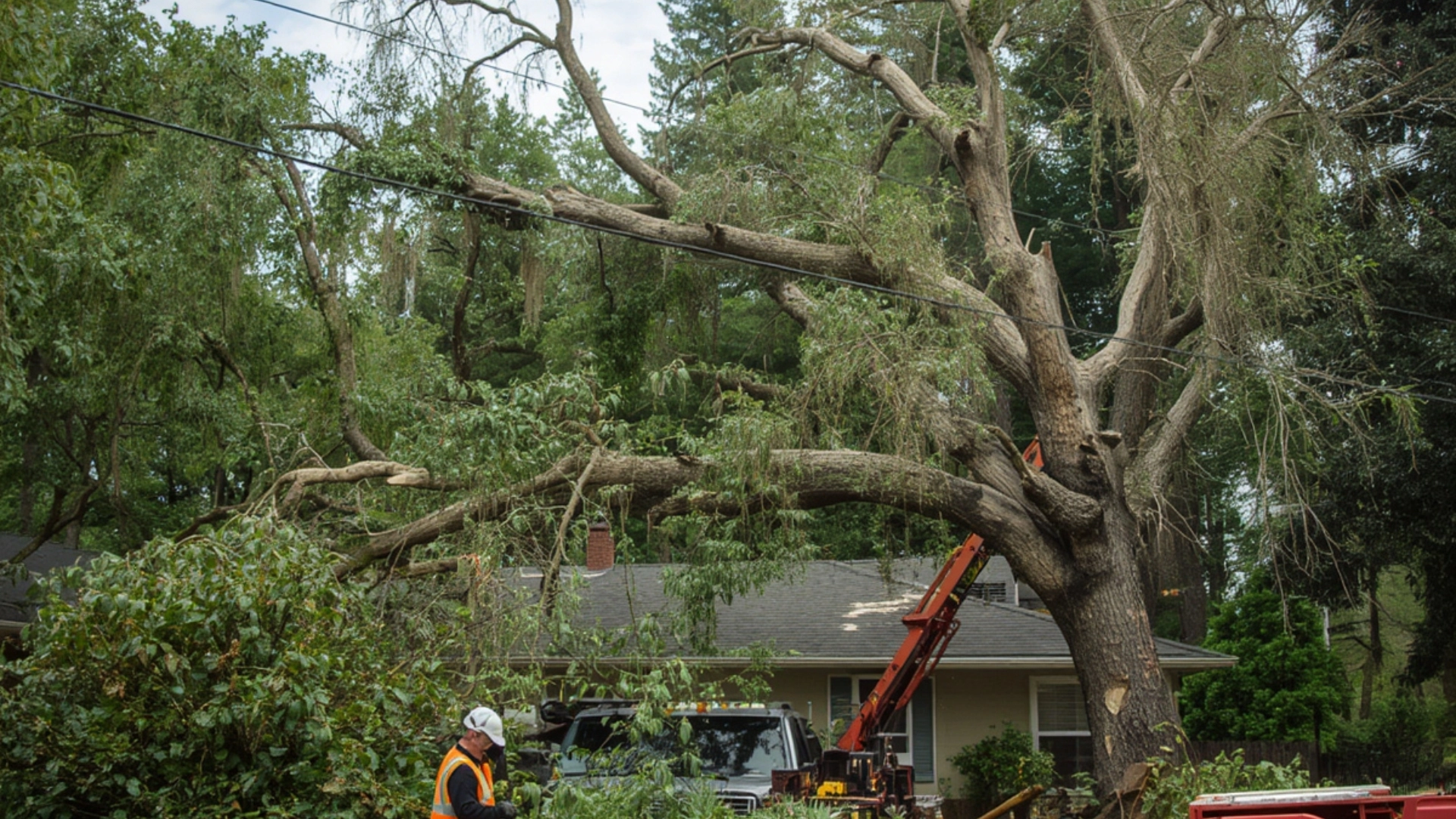
Emergency Tree Pruning Can Be Done Anytime
Safety always comes first.
If a tree has:
- Broken limbs
- Storm damage
- Split trunks
- Hanging branches
- Limbs touching power lines
- Dangerous lean
Immediate pruning may be necessary regardless of season.
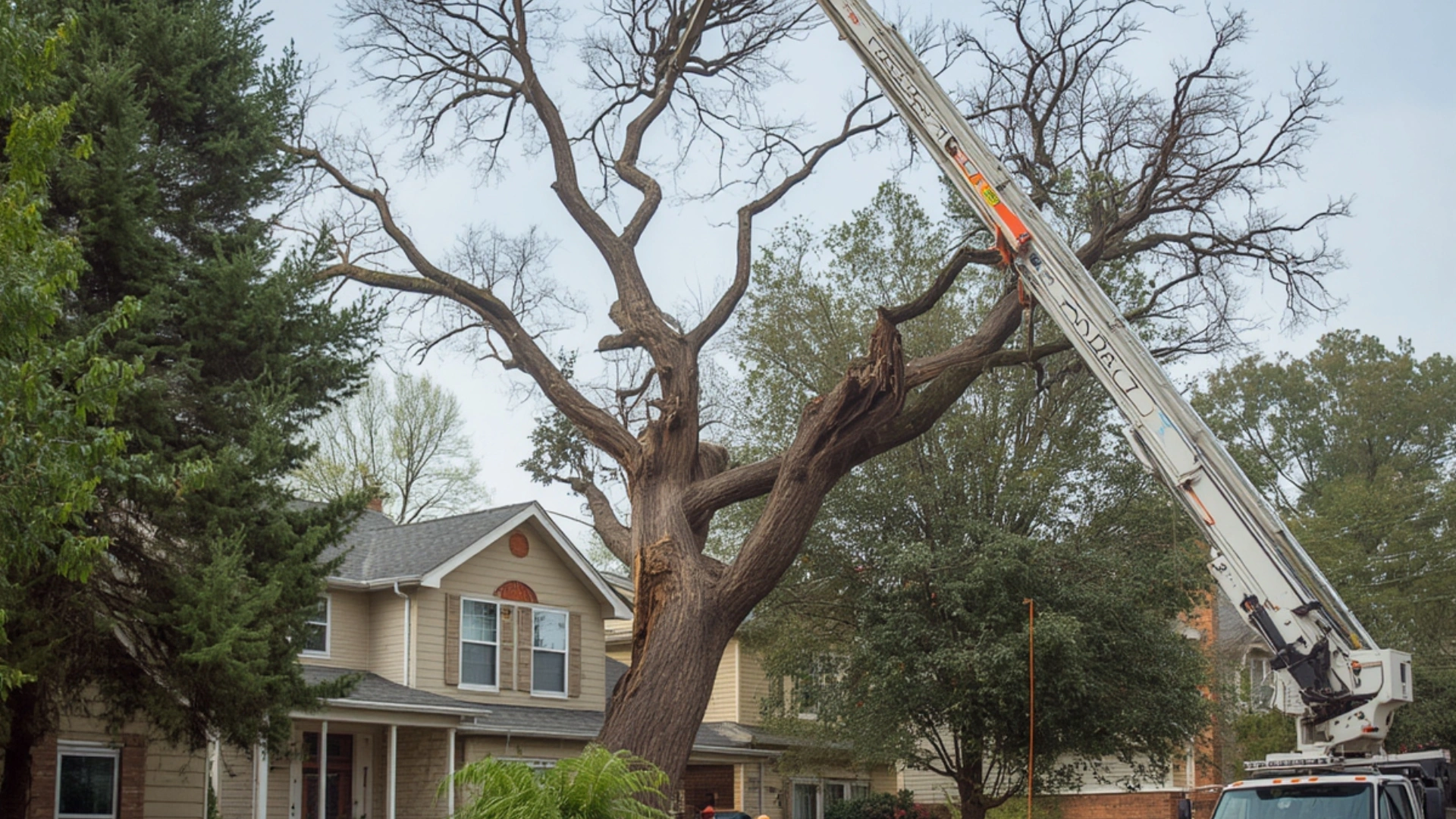
Professional emergency tree services use specialized equipment to safely remove hazardous limbs while minimizing further damage.
Tree Species That Benefit From Winter Pruning
The best time to prune trees Rochester NY varies slightly depending on species.
Oak Trees
Winter pruning helps reduce disease risk and improves structural strength.
Maple Trees
Dormant pruning minimizes excessive sap bleeding while encouraging healthy branching.
Birch Trees
Winter pruning reduces sap loss and improves healing.
Ash Trees
Regular pruning removes weak branches before storms.
Elm Trees
Dormant pruning helps lower disease transmission risks.
Fruit Trees
Apple and pear trees produce better fruit after annual late-winter pruning.
Trees That Should Be Pruned After Blooming
These include:
- Lilac trees
- Flowering cherry
- Magnolia
- Dogwood
- Redbud
- Crabapple
Waiting until flowers fade preserves next year’s blooms.
Evergreen Trees
Evergreens require less pruning than deciduous trees.
Common Rochester evergreens include:
- Pine
- Spruce
- Fir
- Arborvitae
Light shaping is usually done during early spring.
Dead branches may be removed year-round.
Avoid aggressive pruning because evergreens regenerate more slowly than deciduous trees.
Signs Your Tree Needs Pruning
Even if it’s not the perfect season, some warning signs indicate pruning is necessary.
Watch for:
- Dead branches
- Broken limbs
- Branches rubbing together
- Tree leaning
- Dense canopy
- Poor airflow
- Branches growing toward buildings
- Storm damage
- Diseased limbs
- Branches over sidewalks
Ignoring these issues increases safety risks and may lead to larger, more expensive repairs later.
Benefits of Professional Tree Pruning
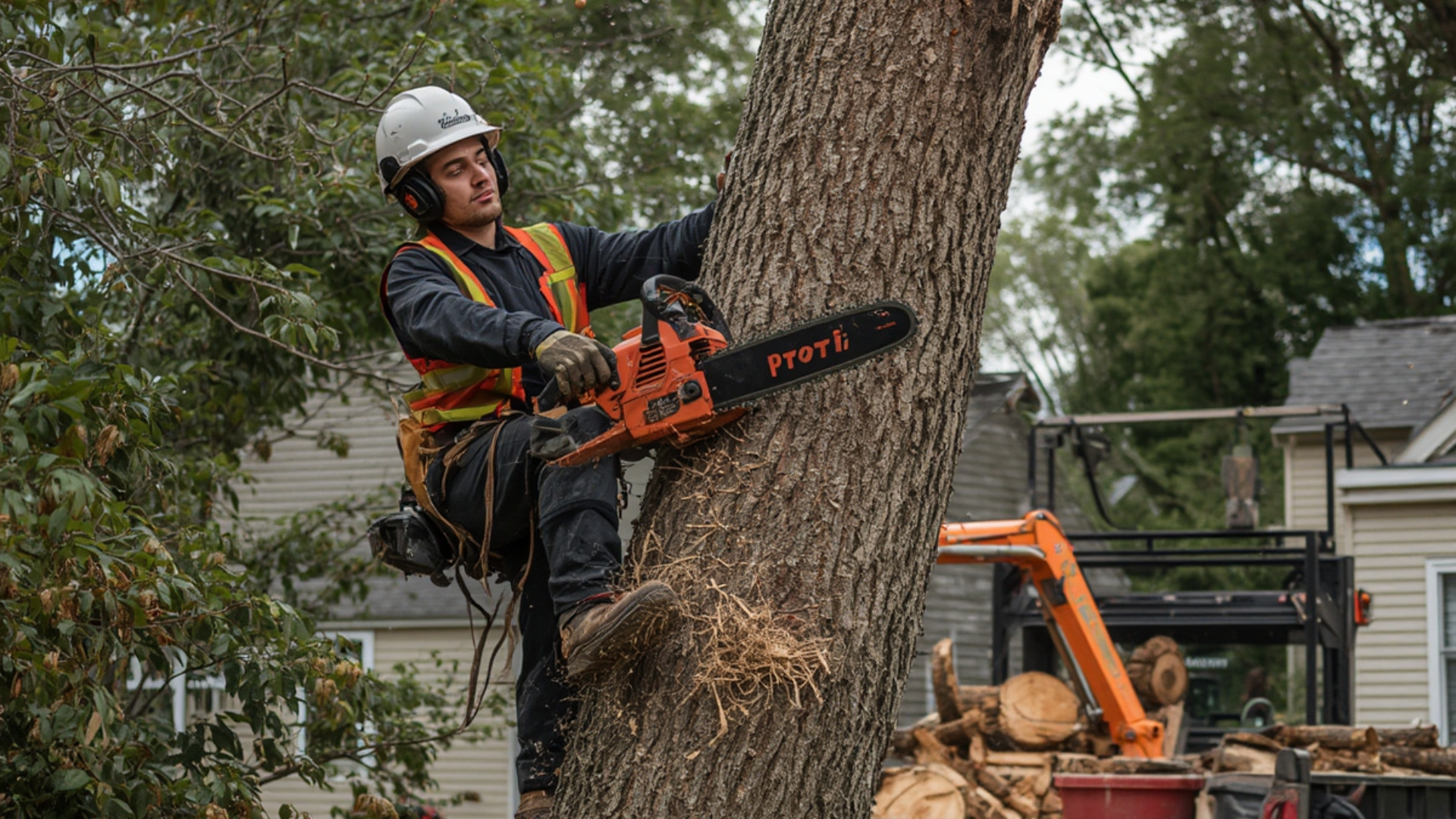
Professional pruning goes far beyond appearance.
Certified tree experts understand:
- Proper cutting techniques
- Tree biology
- Disease prevention
- Structural pruning
- Load reduction
- Crown thinning
- Crown raising
- Crown reduction
Professional pruning also prevents improper cuts that can permanently damage trees.
Common Tree Pruning Mistakes
Many homeowners accidentally damage healthy trees by making these mistakes.
Topping Trees
Removing the top of a tree weakens its structure and encourages weak regrowth.
Over-Pruning
Removing too much foliage reduces energy production and stresses the tree.
Leaving Branch Stubs
Improper cuts heal slowly and invite decay.
Flush Cuts
Cutting too close damages the branch collar and slows healing.
Using Dirty Tools
Dirty pruning equipment spreads diseases between trees.
How Often Should Trees Be Pruned?
General recommendations:
Young trees:
Every 2–3 years
Mature shade trees:
Every 3–5 years
Fruit trees:
Annually
Evergreens:
As needed
Storm-damaged trees:
Immediately
Trees near structures:
Regular inspections every year
Why Rochester Homeowners Schedule Winter Tree Pruning
Winter appointments are popular because:
- Frozen ground minimizes lawn damage.
- Equipment causes less soil compaction.
- Trees recover quickly before spring.
- Arborists can easily inspect branch structure.
- Disease and insect activity is lower during dormancy.
Final Thoughts
Choosing the best time to prune trees Rochester NY is one of the easiest ways to improve tree health, extend lifespan, and protect your property. While winter and early spring are ideal for most species, every tree has unique requirements based on its species, age, condition, and location.
If you’re unsure whether your trees need seasonal pruning, a professional inspection can identify hazards before they become costly emergencies. Proper pruning today helps ensure healthier, stronger, and safer trees for years to come.
Frequently Asked Questions
What is the best time to prune trees Rochester NY?
Late winter through early spring, before new growth begins, is generally the best time for most tree species.
Can I prune trees during summer?
Yes. Light pruning for damaged or overgrown branches is acceptable, but avoid heavy pruning during extreme heat.
Why shouldn’t trees be heavily pruned in fall?
Trees heal more slowly during autumn, making fresh cuts more vulnerable to disease and winter damage.
Can dead branches be removed anytime?
Yes. Dead, broken, or hazardous branches should be removed immediately regardless of season.
Do flowering trees need different pruning schedules?
Yes. Spring-flowering trees should be pruned shortly after blooming to preserve next year’s flowers.
Should I prune large trees myself?
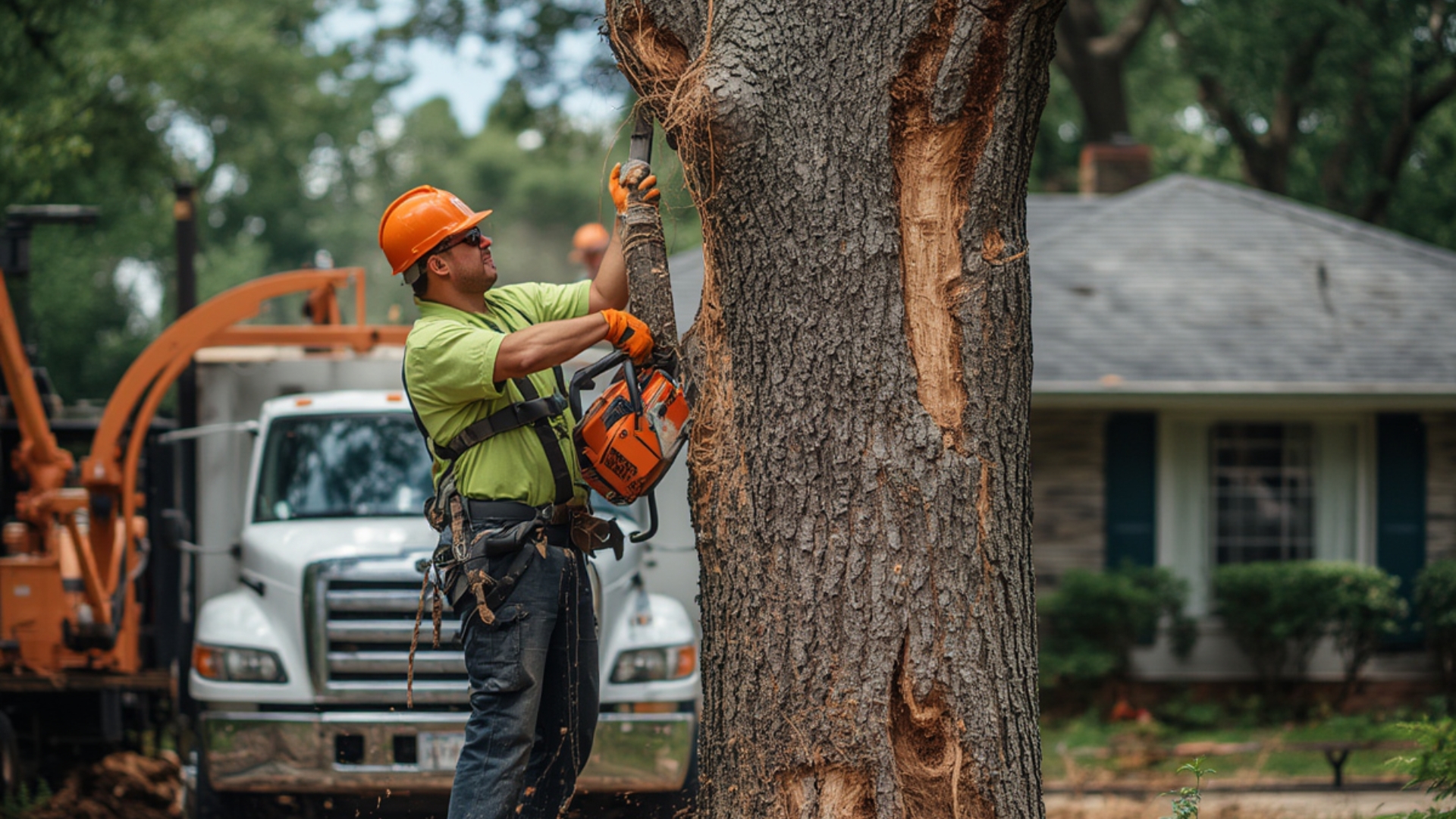
Large tree pruning can be dangerous and is best handled by experienced professionals with proper equipment.