Tree Removal Permit Rochester NY: Do You Need One Before Removing a Tree?
Trees add beauty, shade, and value to residential and commercial properties throughout Rochester, New York. However, there are situations where tree removal becomes necessary. Storm damage, disease, safety concerns, construction projects, and dying trees can all require professional removal. Before scheduling the work, many property owners ask an important question: Do I need a tree removal permit Rochester NY?
The answer depends on several factors, including your property’s location, the type of tree involved, local regulations, and whether the tree is located on public or private property. Understanding permit requirements can help you avoid delays, fines, and legal complications.
This guide explains everything Rochester property owners need to know about tree removal permits, when they may be required, and how working with experienced tree professionals can simplify the process.
Why Tree Removal Permits Exist
Municipalities establish tree protection regulations to preserve urban forests, protect public safety, and maintain environmental quality. Trees provide numerous benefits, including:
- Improved air quality
- Stormwater management
- Wildlife habitat
- Reduced erosion
- Increased property values
- Energy savings through shade
Because mature trees contribute significantly to a community’s environmental health, local governments may regulate their removal under specific circumstances.
A tree removal permit Rochester NY requirement is intended to balance private property rights with broader community interests.
When You May Need a Tree Removal Permit in Rochester NY
Permit requirements vary depending on the property’s jurisdiction and the circumstances surrounding the tree.
Common situations that may require a permit include:
1. Trees Located in Public Rights-of-Way
Trees planted between sidewalks and roads are often considered public trees, even when they appear to be in front of a private residence.
Property owners generally cannot remove these trees without municipal approval.
2. Protected Trees
Certain municipalities designate specific trees as protected due to their size, species, historical significance, or environmental value.
Removing these trees may require approval from local authorities.
3. Development and Construction Projects
If tree removal is associated with:
- New construction
- Home additions
- Driveway expansions
- Commercial development
a permit may be required before work begins.
4. Trees in Conservation Areas
Properties located near wetlands, protected habitats, or environmentally sensitive areas may be subject to additional regulations.
Situations Where a Permit May Not Be Required
Many homeowners can remove trees from private property without obtaining a permit, especially when:
Dead Trees
Dead trees often present safety hazards and may be exempt from permit requirements.
Diseased Trees
Trees suffering from severe disease or pest infestations may qualify for expedited removal.
Hazardous Trees
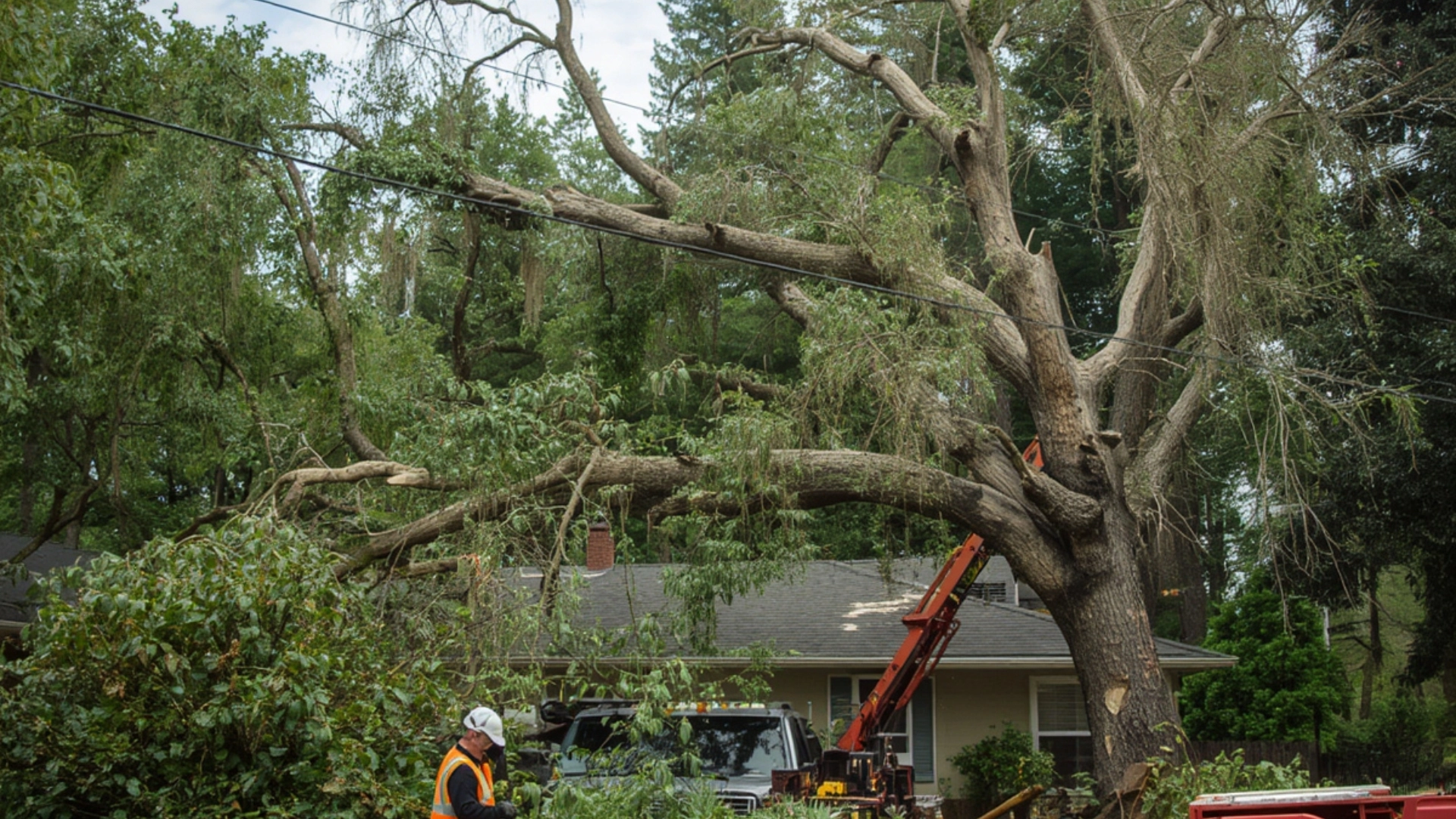
Trees posing an immediate risk to people, structures, or utility lines may be removed under emergency conditions.
Storm-Damaged Trees
Trees severely damaged by storms often qualify for emergency removal exemptions.
Even in these situations, documenting the tree’s condition with photographs is highly recommended.
How to Determine Whether You Need a Permit
Before scheduling removal, property owners should take the following steps:
Verify Property Boundaries
Determine whether the tree is fully located on private property or partially within a public right-of-way.
Contact Local Authorities
Speak with the appropriate municipal department regarding tree regulations.
Possible contacts include:
- City forestry divisions
- Parks departments
- Building departments
- Code enforcement offices
Consult a Professional Tree Service
Experienced tree contractors often understand local permit requirements and can help determine whether permits are necessary.
A qualified arborist can also document hazardous conditions when required.
The Tree Removal Permit Process
If a permit is required, the process generally involves several steps.
Step 1: Submit an Application
Property owners typically provide:
- Property address
- Tree location
- Tree species
- Tree diameter
- Reason for removal
Step 2: Site Inspection
Municipal representatives may inspect the property.
Inspectors evaluate:
- Tree health
- Safety concerns
- Environmental impact
- Potential alternatives to removal
Step 3: Approval or Conditions
Authorities may:
- Approve removal
- Require replacement planting
- Request additional documentation
- Deny the application
Step 4: Schedule Removal
Once approval is granted, professional tree removal services can perform the work safely and efficiently.
Potential Penalties for Unauthorized Tree Removal
Removing regulated trees without authorization can result in serious consequences.
Possible penalties include:
Financial Fines
Violations may lead to substantial fines depending on the tree’s size and importance.
Replacement Requirements
Property owners may be required to plant replacement trees.
Project Delays
Construction projects may be delayed until compliance issues are resolved.
Legal Liability
Unauthorized removal of public trees can expose property owners to legal action.
For these reasons, verifying permit requirements beforehand is always advisable.
Why Hiring a Professional Tree Removal Company Matters
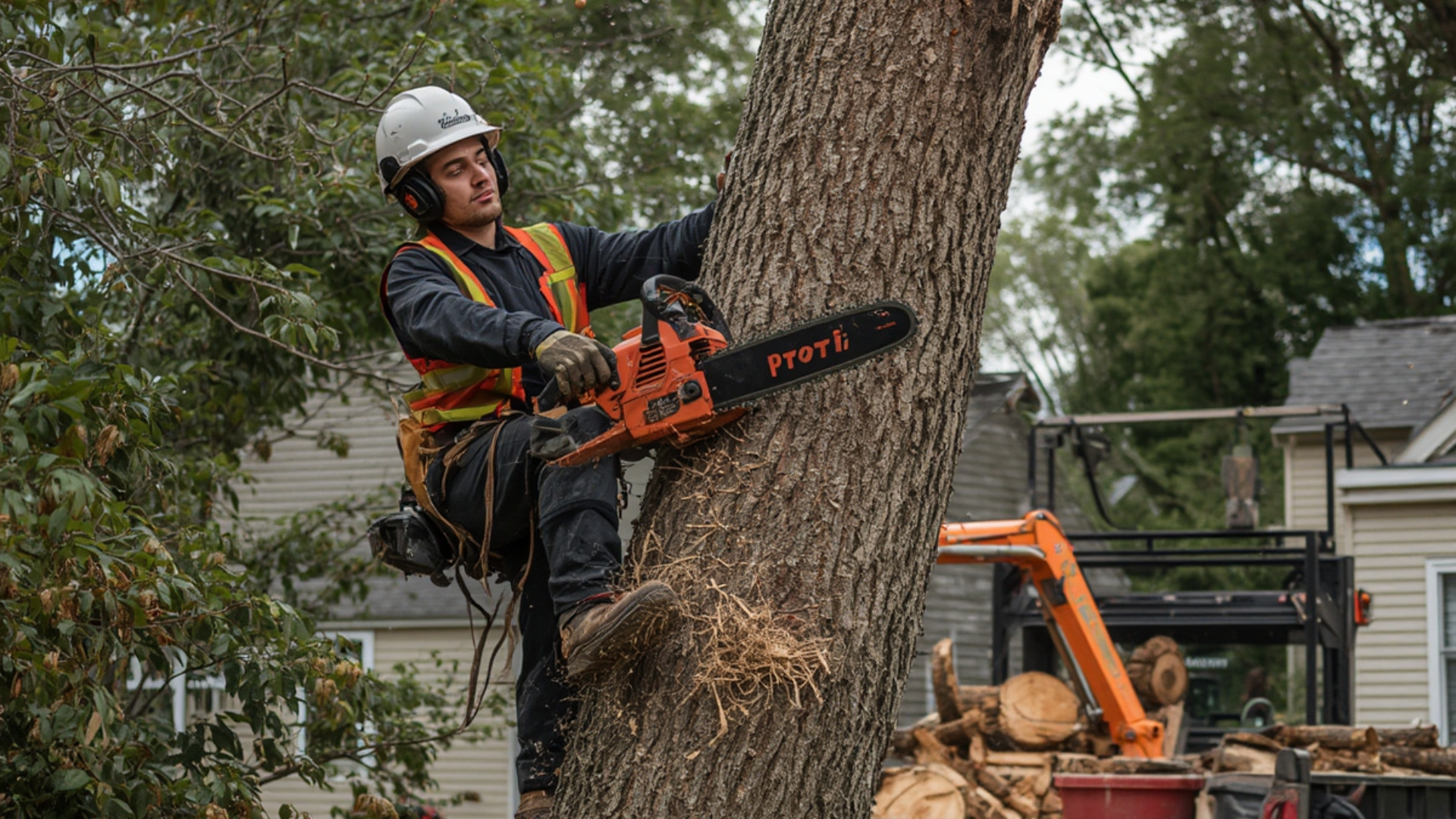
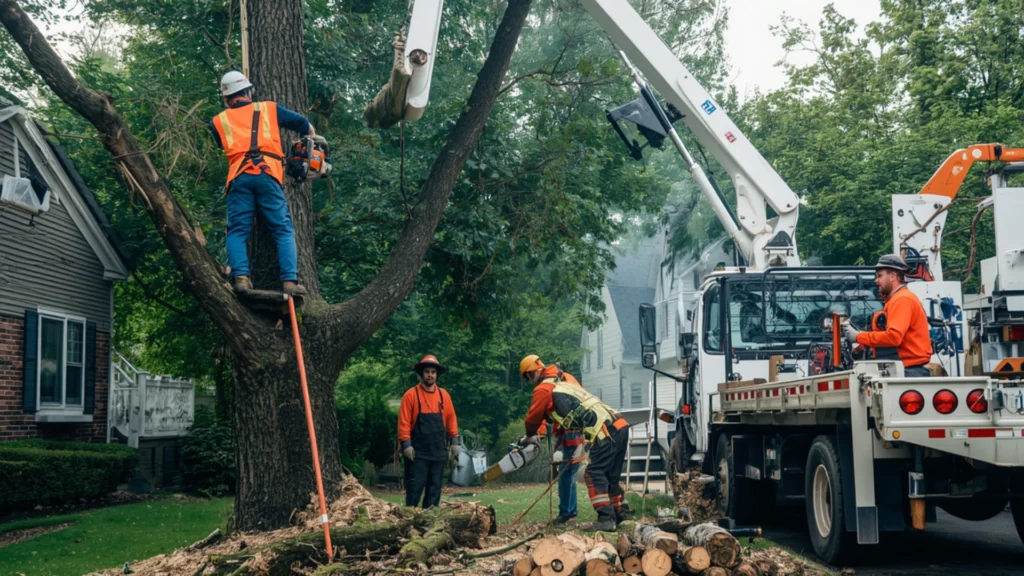
Tree removal is dangerous work that requires specialized equipment and training.
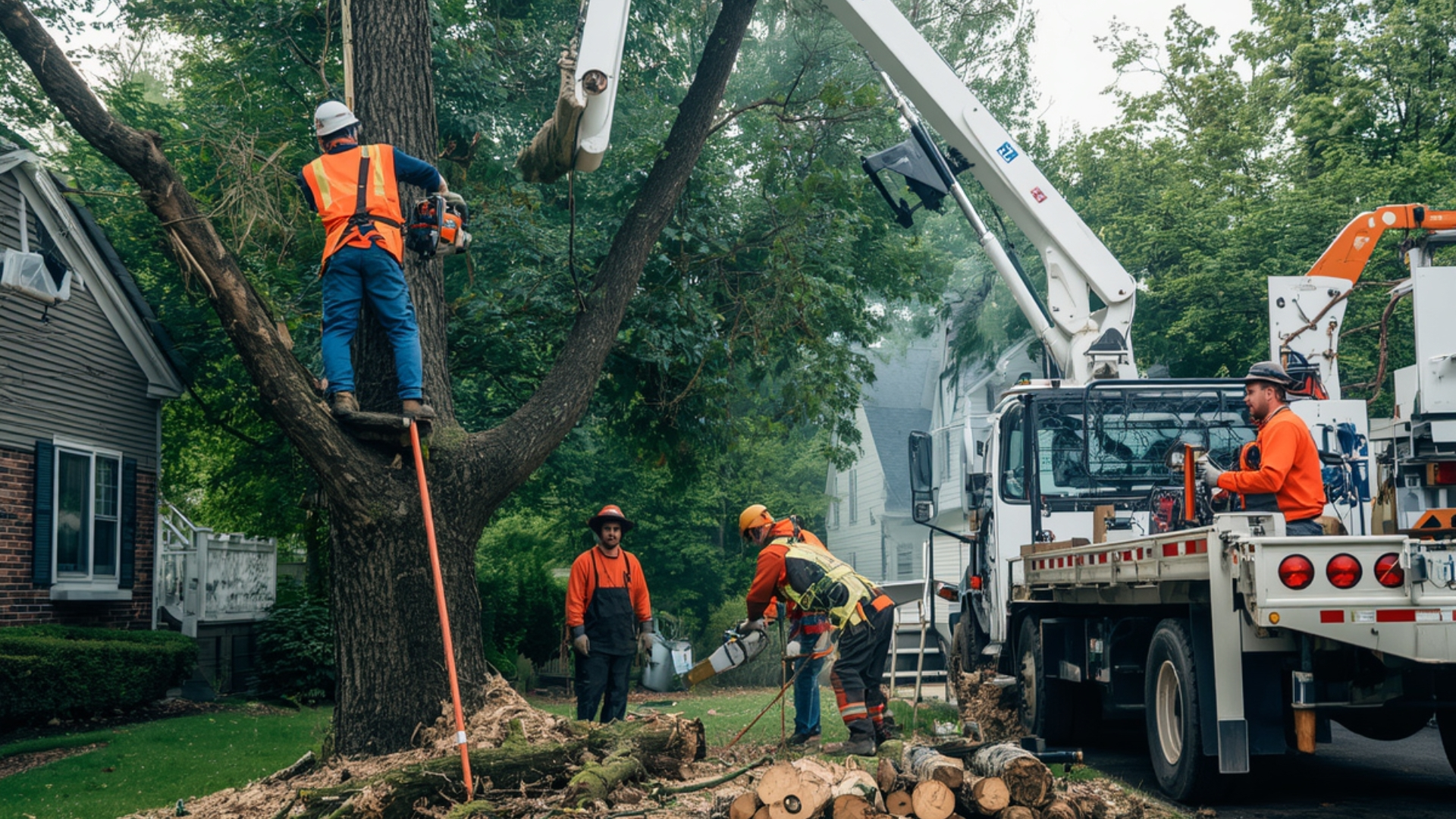
Professional tree service providers offer:
Permit Guidance
Experienced contractors often assist with permit-related questions and documentation.
Safety Expertise
Removing large trees near homes, power lines, and roadways requires advanced skills.
Proper Equipment
Professional crews utilize:
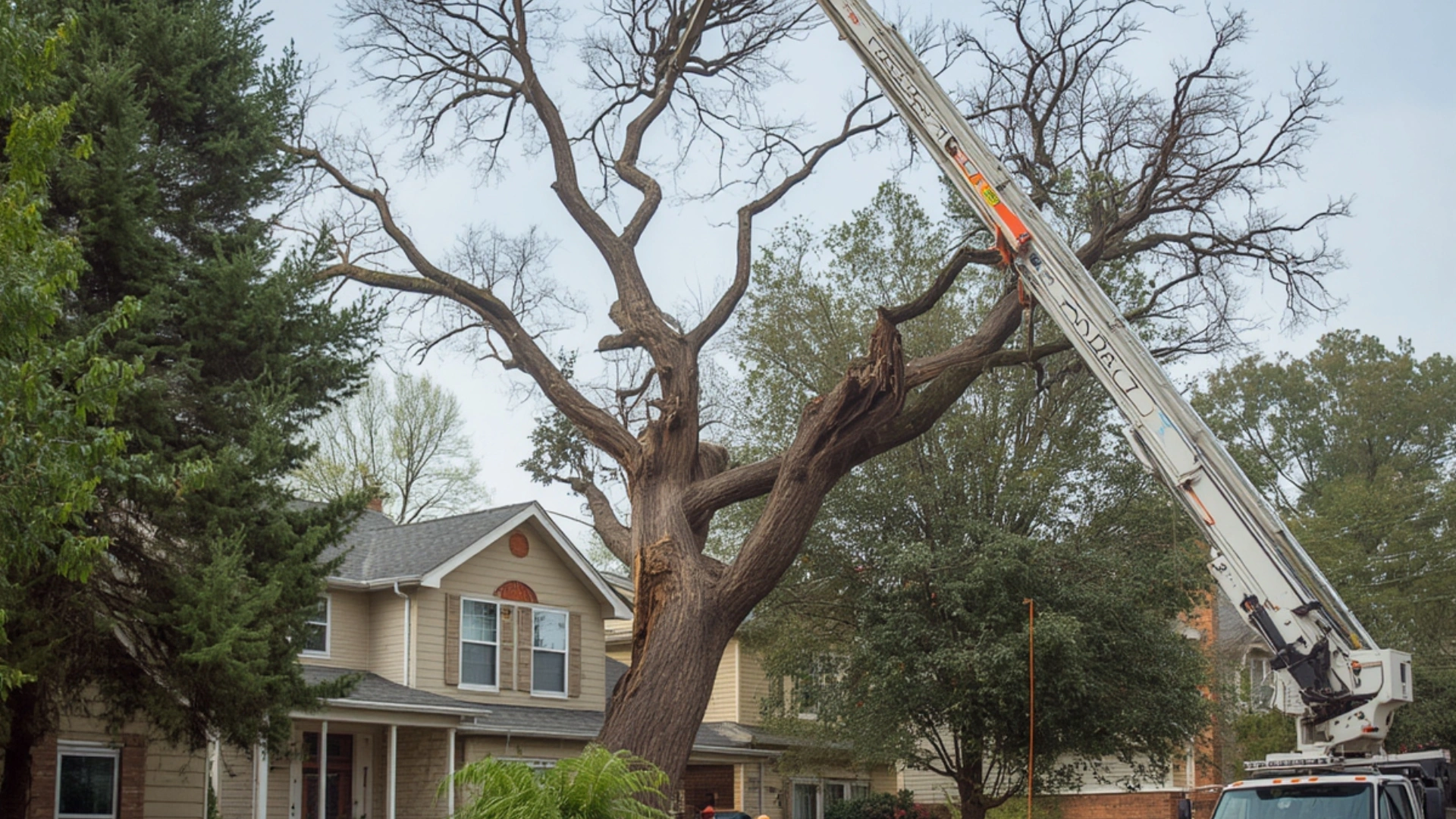
- Cranes
- Bucket trucks
- Rigging systems
- Stump grinders
- Safety gear
Complete Cleanup
A reputable company handles debris removal, stump grinding, and site restoration.
Common Tree Removal Challenges in Rochester
Rochester’s climate presents unique challenges for tree maintenance.
Severe Winter Storms
Heavy snow and ice can weaken branches and damage entire trees.
Wind Damage
Strong winds may create dangerous leaning trees.
Emerald Ash Borer
This invasive pest continues to impact ash trees throughout New York.
Aging Urban Trees
Many mature trees eventually become safety concerns due to structural decline.
These issues often make professional evaluation essential before deciding on removal.
Tree Removal vs. Tree Pruning
In some cases, removal may not be necessary.
A certified arborist may recommend:
- Crown thinning
- Deadwood removal
- Structural pruning
- Cabling and bracing
Pruning can improve tree health while preserving its benefits.
If a tree remains structurally unsound despite treatment, removal may become the safest option.
What Happens After Tree Removal?
Many homeowners focus solely on removing the tree but overlook what comes next.
Stump Removal
Leaving a stump behind can:
- Create tripping hazards
- Attract insects
- Interfere with landscaping
Root Management
Large root systems can continue affecting:
- Sidewalks
- Foundations
- Underground utilities
Replanting
Planting a replacement tree can:
- Restore curb appeal
- Improve property value
- Support local environmental goals
How Much Does Tree Removal Cost?
Tree removal costs vary based on:
- Tree height
- Diameter
- Accessibility
- Equipment requirements
- Hazard level
- Cleanup needs
Permit costs, if applicable, may also affect the total project budget.
Obtaining a professional estimate is the best way to understand expected costs.
Final Thoughts
Understanding whether you need a tree removal permit Rochester NY is an important first step before beginning any tree removal project. While many trees on private property can be removed without permits, others may fall under local regulations, especially when located near public spaces or development areas.
Taking the time to verify permit requirements can help property owners avoid fines, delays, and unnecessary complications. Working with experienced tree professionals ensures the process is handled safely, legally, and efficiently from start to finish.
Whether you’re dealing with a hazardous tree, storm damage, or planning a construction project, consulting qualified tree experts can provide the guidance needed to make informed decisions about your property’s trees.
Frequently Asked Questions
Do I always need a tree removal permit Rochester NY?
Not necessarily. Permit requirements depend on the tree’s location, condition, and local regulations.
Can I remove a dead tree without a permit?
In many cases, dead or hazardous trees may qualify for permit exemptions, but local requirements should always be verified.
How long does permit approval take?
Approval timelines vary depending on the municipality and complexity of the application.
Can a tree service company help with permits?
Yes. Many professional tree removal companies assist property owners with permit-related documentation and guidance.
What happens if I remove a protected tree without approval?
You may face fines, replacement requirements, or other penalties depending on local regulations.
Is stump removal included with tree removal?
Not always. Stump grinding and root removal are often separate services and should be discussed during the estimate process.