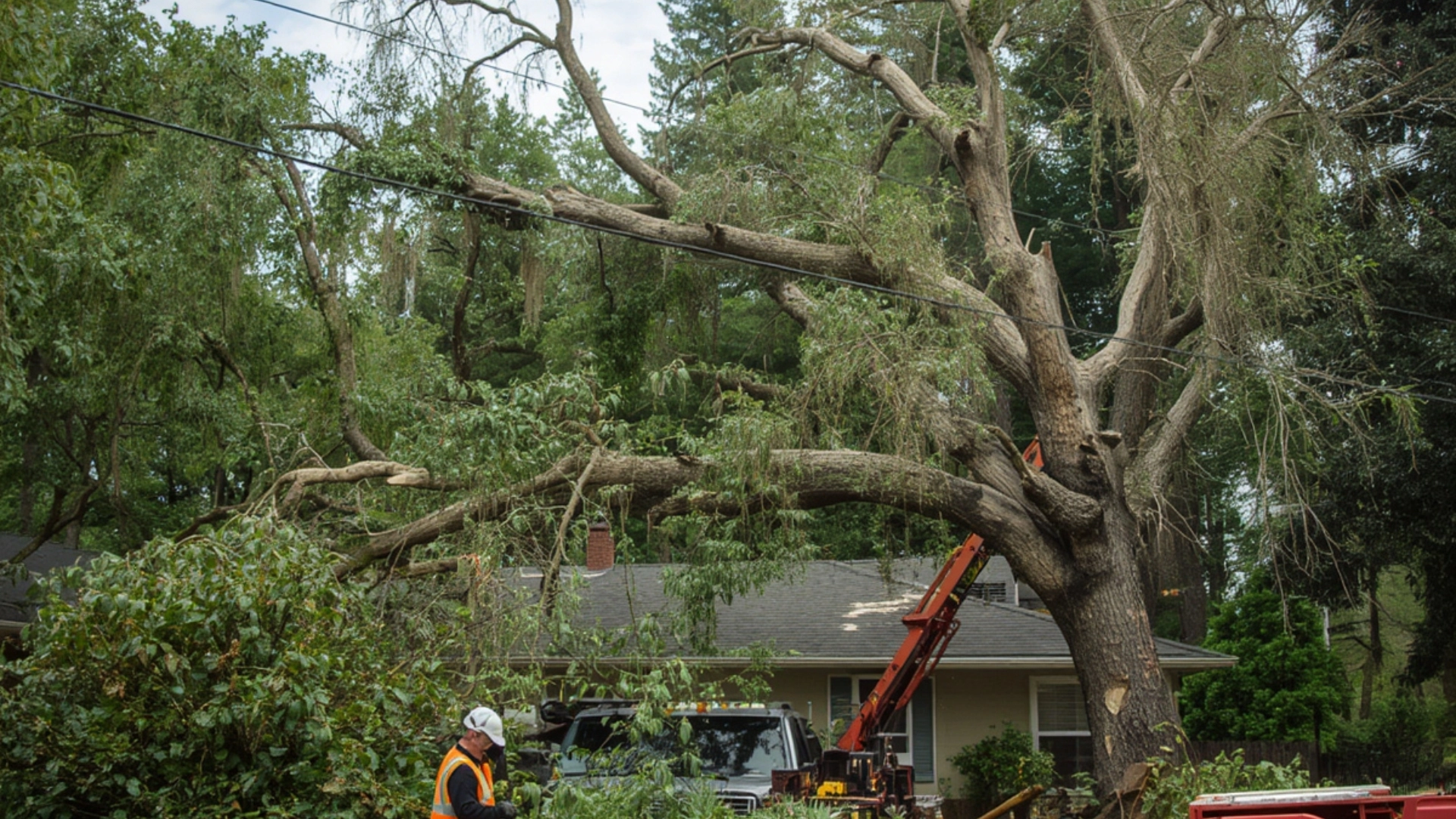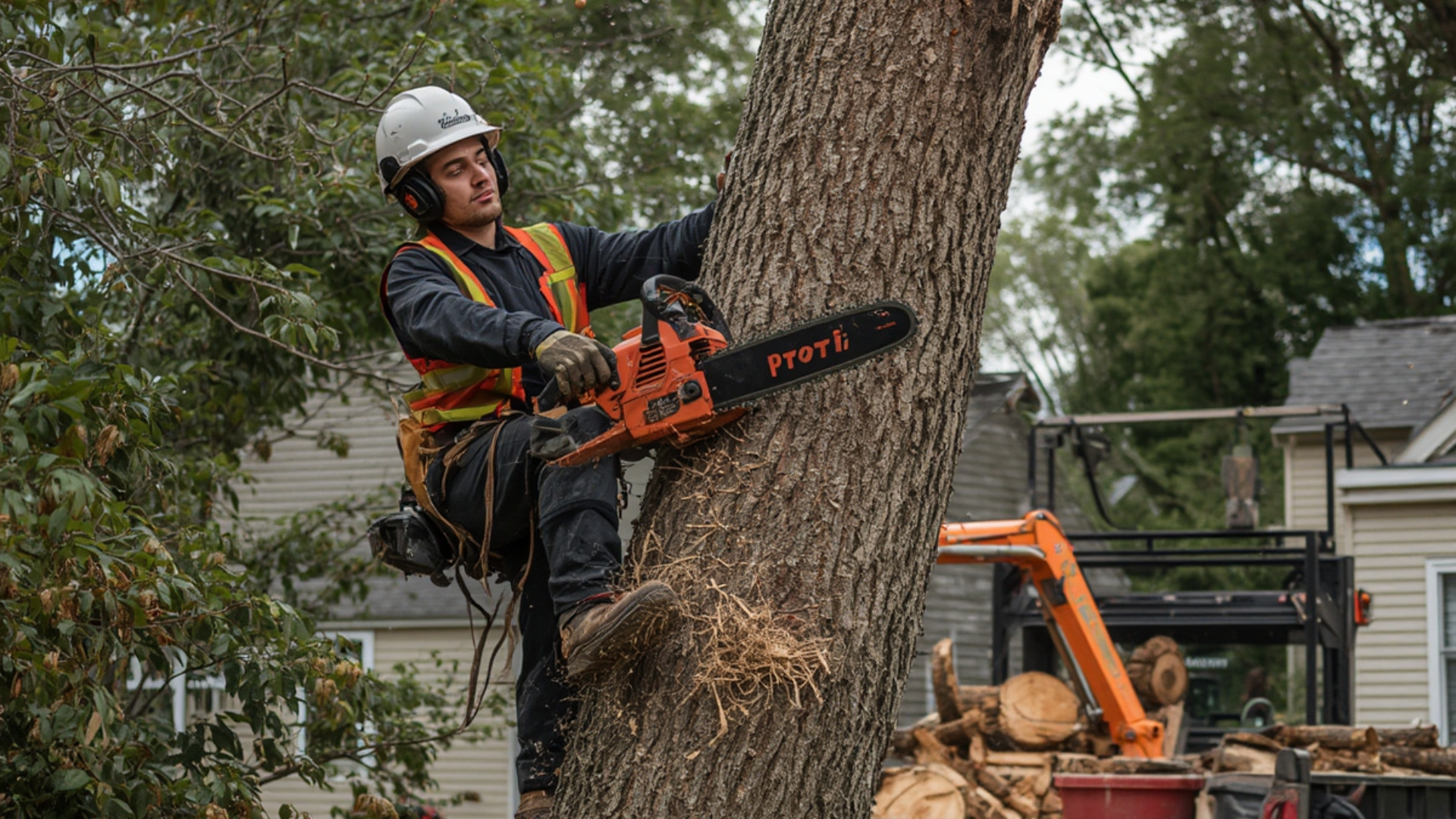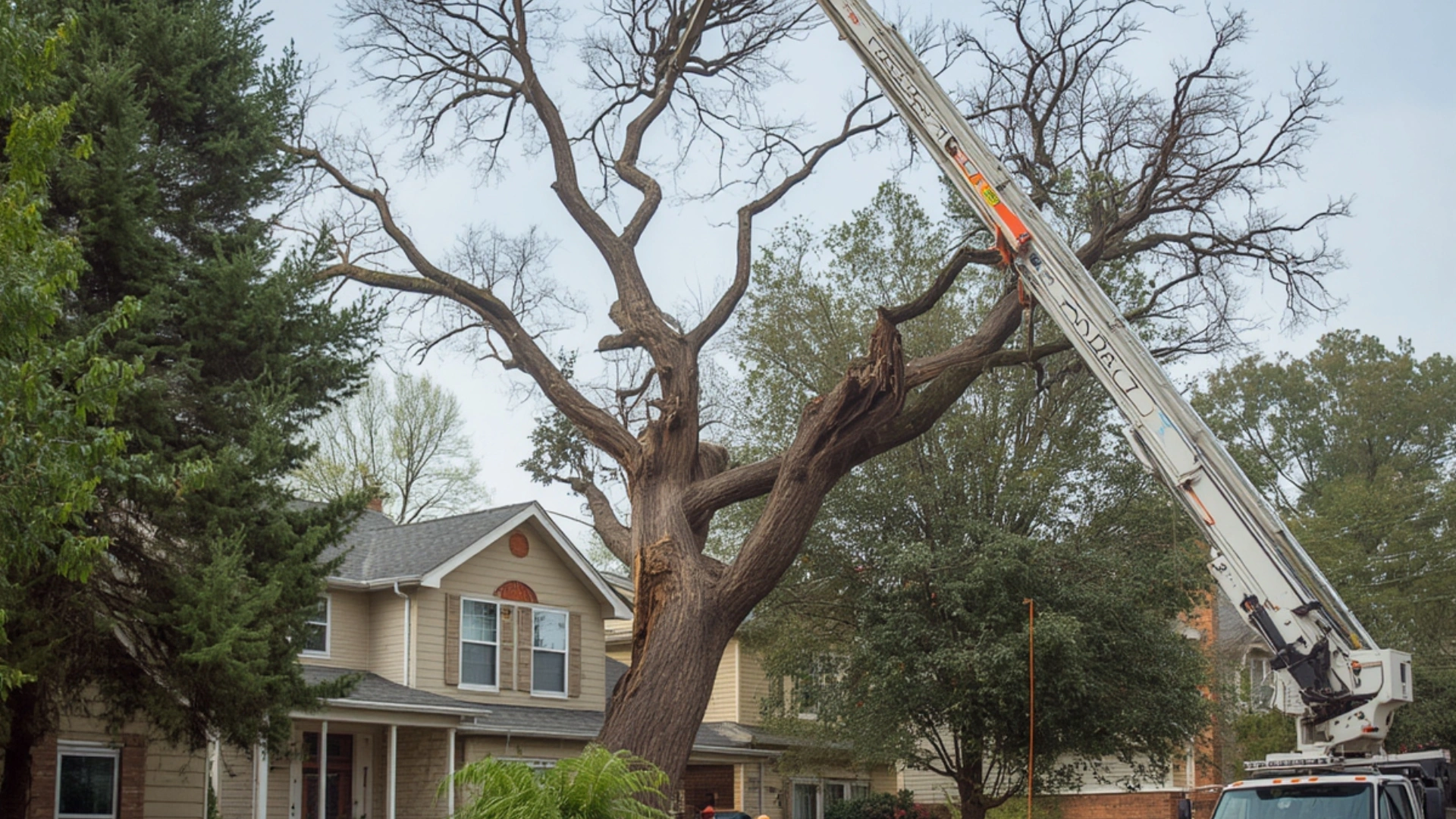
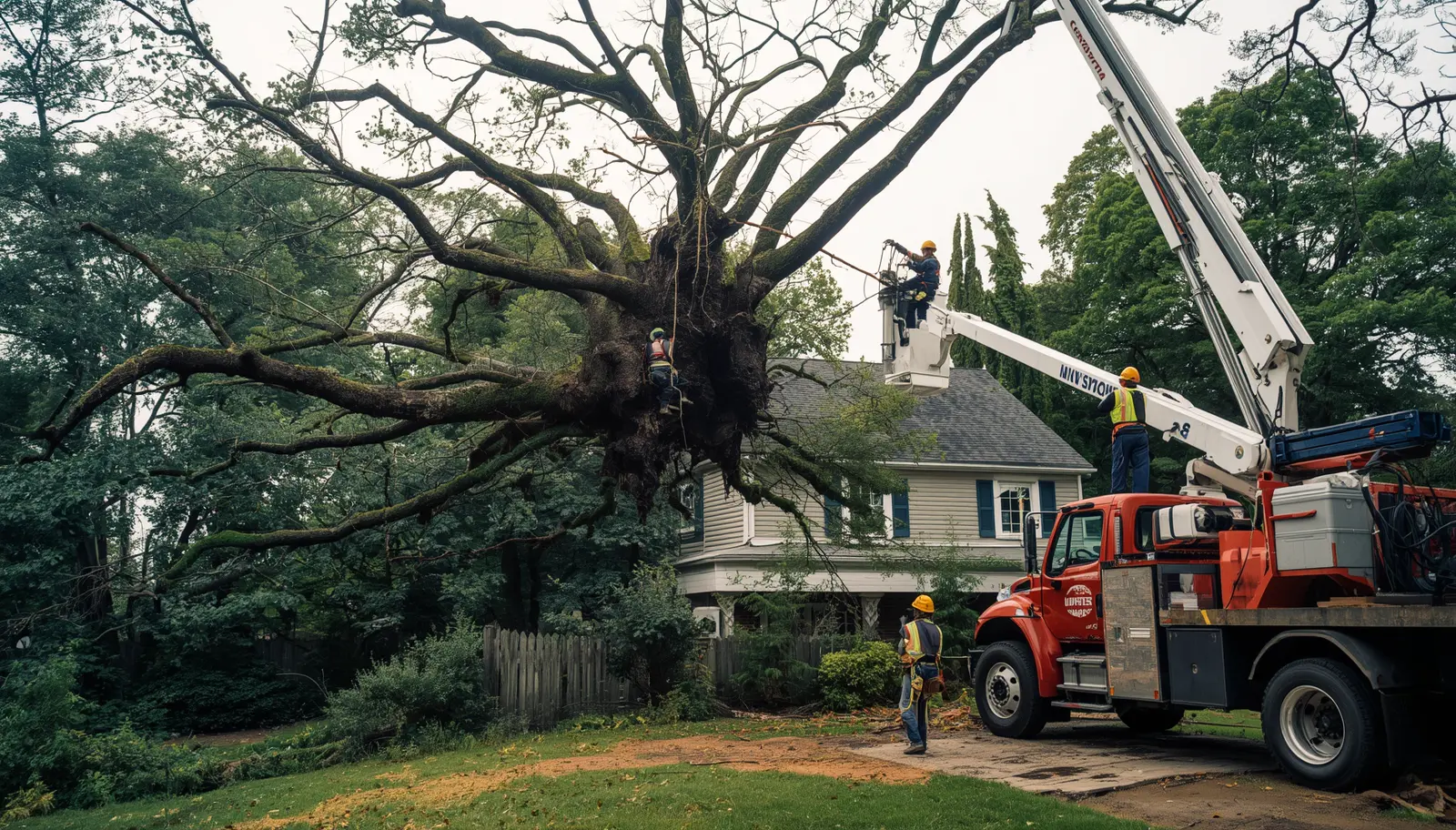
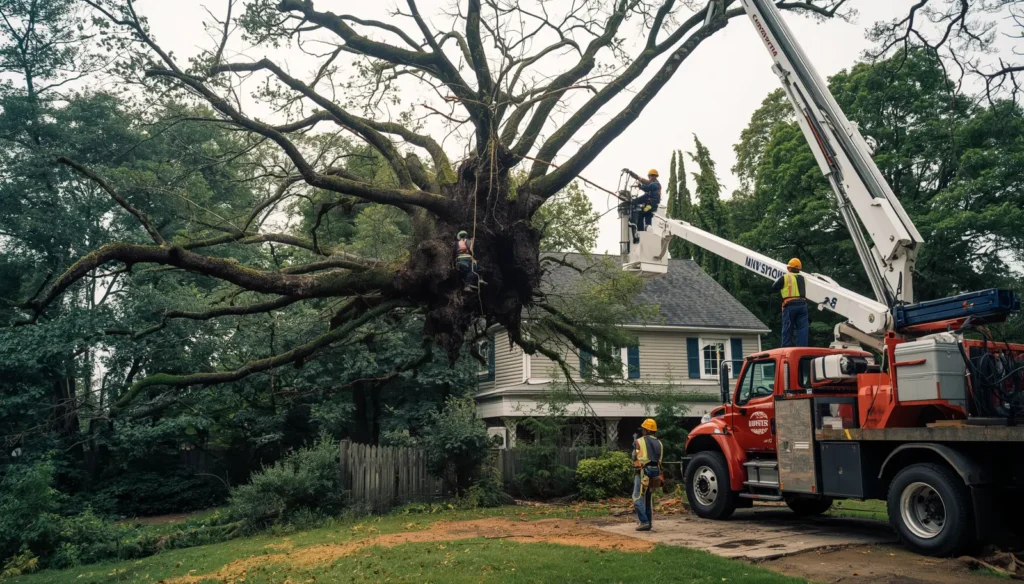
Dead Tree Removal in Rochester NY: Why Waiting Is Riskier Than Most Homeowners Realize
Trees add beauty, shade, and value to a property, but when a tree dies, it can quickly become a serious hazard. Many homeowners assume that a dead tree can remain standing for months or even years without causing problems. Unfortunately, that’s not always the case. Delaying professional dead tree removal Rochester NY services can lead to property damage, personal injury, pest infestations, and costly emergency removals.
In Rochester, changing weather conditions, strong winds, heavy snow, and seasonal storms can place additional stress on dead or weakened trees. What may appear to be a harmless dead tree today could become a major safety concern tomorrow.
This guide explains why removing dead trees promptly is important, the risks associated with waiting, and how professional tree removal services can help protect your property.
How Can You Tell If a Tree Is Dead?
Some signs of tree decline can be subtle, while others are easy to identify. Understanding the warning signs can help you take action before the situation becomes dangerous.
Common indicators of a dead tree include:
- No leaves during the growing season
- Large sections of missing bark
- Brittle branches that snap easily
- Visible fungus or mushroom growth near the trunk
- Deep cracks in the trunk
- Hollow sections inside the tree
- Dead branches throughout the canopy
- Severe leaning or instability
If a tree displays several of these symptoms, it is important to have it evaluated by a professional arborist or tree service company.
Why Dead Trees Become More Dangerous Over Time
One of the biggest misconceptions among property owners is that a dead tree that has stood for years is stable. In reality, dead trees continue to deteriorate over time.
Once a tree dies, its internal structure begins breaking down. Wood becomes weaker, roots decay, and branches become increasingly brittle. The longer a dead tree remains standing, the more unpredictable it becomes.
This deterioration creates several risks:
Increased Risk of Falling Branches
Dead branches can break without warning. Even a relatively calm day can cause weakened limbs to fall.
Large branches can damage:
- Vehicles
- Roofs
- Sheds
- Fences
- Power lines
- Outdoor structures
They can also pose a significant risk to people walking or working nearby.
Greater Chance of Complete Tree Failure
As decay progresses, the entire tree can become unstable. Strong winds, snow accumulation, or saturated soil can cause the tree to collapse.
A falling tree can cause extensive property damage and may require emergency services for removal.
Rochester’s Weather Makes Dead Trees Even More Hazardous
Homeowners in Rochester face unique weather conditions throughout the year.
Winter Snow and Ice
Heavy snow and ice add significant weight to already weakened branches. Dead trees often cannot support this additional load.
The result may include:
- Broken limbs
- Split trunks
- Complete tree collapse
Spring Storms
Spring storms often bring strong winds and heavy rain. Trees with weakened root systems are especially vulnerable during these events.
Summer Thunderstorms
Sudden summer storms can create wind gusts capable of snapping dead branches and toppling unstable trees.
Fall Wind Events
Autumn winds place additional stress on dead trees that may already be structurally compromised.
These seasonal conditions make professional dead tree removal Rochester NY services an important investment in property safety.
Property Damage Can Become Extremely Expensive
Many homeowners postpone tree removal because they want to avoid the immediate cost. However, waiting often leads to far greater expenses.
A falling dead tree can damage:
Roofs
A large branch or entire tree can puncture roofing materials, damage rafters, and create water intrusion issues.
Vehicles
Cars parked beneath dead trees are especially vulnerable during storms.
Fences and Decks
Wooden fences, decks, and outdoor structures can be severely damaged by falling limbs.
Utility Lines
Dead trees near power lines present significant risks.
Potential consequences include:
- Power outages
- Fire hazards
- Emergency repair costs
- Utility company involvement
The cost of repairing damage often exceeds the cost of proactive tree removal.
Dead Trees Can Create Liability Issues
Property owners have a responsibility to maintain safe conditions on their property.
If a dead tree causes injury or damages a neighboring property, the homeowner may face legal and financial consequences.
Examples include:
- Branches falling onto neighboring homes
- Trees damaging parked vehicles
- Injuries caused by falling limbs
- Damage to sidewalks or public areas
Removing hazardous trees before an accident occurs can help reduce liability risks.
Dead Trees Attract Pests
Dead and decaying wood provides an ideal habitat for many pests.
Common pests attracted to dead trees include:
Termites
Dead wood serves as a food source for termites. Over time, infestations may spread to nearby structures.
Carpenter Ants
Carpenter ants frequently establish colonies within decaying wood.
Beetles
Several wood-boring beetle species target weakened or dead trees.
Rodents
Dead trees with hollow sections can become nesting sites for rodents.
Prompt removal helps eliminate attractive habitats and reduces the risk of pest-related issues.
Dead Trees Can Spread Disease to Healthy Trees
Certain tree diseases can remain active even after a tree dies.
Leaving a dead tree standing may allow fungal infections and other diseases to spread to nearby healthy trees.
This can lead to:
- Additional tree loss
- Landscape decline
- Increased future removal costs
Removing infected trees can help protect the overall health of your property’s landscape.
Emergency Tree Removal Is Often More Expensive
Many homeowners wait until a tree becomes an emergency.
Unfortunately, emergency tree removal usually costs more than scheduled removal services.
Emergency situations often involve:
- Storm damage
- Fallen trees
- Power line interference
- Structural damage
- Immediate safety concerns
These jobs may require specialized equipment and urgent response times.
Scheduling removal before a crisis occurs is generally safer and more cost-effective.
Why Professional Dead Tree Removal Matters
Removing a dead tree is not a simple DIY project.
Dead trees are often unpredictable because weakened wood can break unexpectedly during removal.
Professional tree removal services offer:
Proper Equipment
Tree professionals use specialized equipment designed to safely dismantle and remove trees.
Safety Training
Experienced crews understand how to manage hazardous conditions and minimize risks.
Property Protection
Professionals use strategic removal methods to prevent damage to surrounding structures and landscaping.
Complete Cleanup
Most professional services include debris removal and site cleanup after the work is completed.
What Happens During a Dead Tree Removal Service?
The removal process generally includes several steps:
Initial Inspection
The tree is evaluated for:
- Structural condition
- Size
- Location
- Accessibility
- Nearby hazards
Removal Planning
A detailed plan is created to safely dismantle the tree.
Tree Removal
The tree is removed section by section or as a whole, depending on site conditions.
Debris Removal
Branches, logs, and debris are cleared from the property.
Optional Stump Removal
Homeowners may also choose stump grinding or stump removal services.
Benefits of Removing a Dead Tree Promptly
Acting quickly provides several advantages.
Improved Safety
Removing hazardous trees protects family members, visitors, and neighbors.
Reduced Property Damage Risk
Proactive removal prevents costly repairs caused by falling trees.
Better Curb Appeal
Dead trees negatively impact a property’s appearance.
Increased Property Value
A well-maintained landscape is more attractive to buyers and visitors.
Lower Long-Term Costs
Early removal is often less expensive than emergency tree services and damage repairs.
Choosing the Right Tree Removal Company in Rochester
When selecting a tree service provider, look for:
- Licensed professionals
- Fully insured crews
- Experience with hazardous tree removal
- Modern equipment
- Positive customer reviews
- Transparent estimates
Working with an experienced company ensures the job is completed safely and efficiently.
Don’t Wait Until It’s Too Late
A dead tree may seem stable today, but every passing season increases the risk of failure. Rochester’s weather conditions, combined with natural decay, can quickly turn a dead tree into a major hazard.
Whether the tree is located near your home, driveway, utility lines, or neighboring property, prompt action can help prevent accidents, property damage, and costly emergency services.
If you have concerns about a dead tree on your property, professional evaluation and removal can provide peace of mind and help keep your home safe year-round.
Frequently Asked Questions
How do I know if I need dead tree removal in Rochester NY?
Signs include missing leaves during the growing season, brittle branches, peeling bark, fungal growth, and large dead limbs. A professional inspection can confirm whether removal is necessary.
Is a dead tree dangerous even if it has been standing for years?
Yes. Dead trees continue to weaken over time. Roots decay, branches become brittle, and structural integrity decreases, increasing the risk of failure.
How much does dead tree removal cost in Rochester NY?
Costs vary depending on tree size, location, accessibility, and complexity. A professional inspection is the best way to obtain an accurate estimate.
Can I remove a dead tree myself?
Tree removal can be extremely dangerous, especially when dealing with large or unstable trees. Professional services are recommended for safety reasons.
What time of year is best for dead tree removal?
Dead trees can be removed at any time of year. However, removing them before severe weather arrives is often the safest approach.
Should I remove the stump after tree removal?
Removing or grinding the stump can improve appearance, prevent pest issues, and free up usable space in your yard.