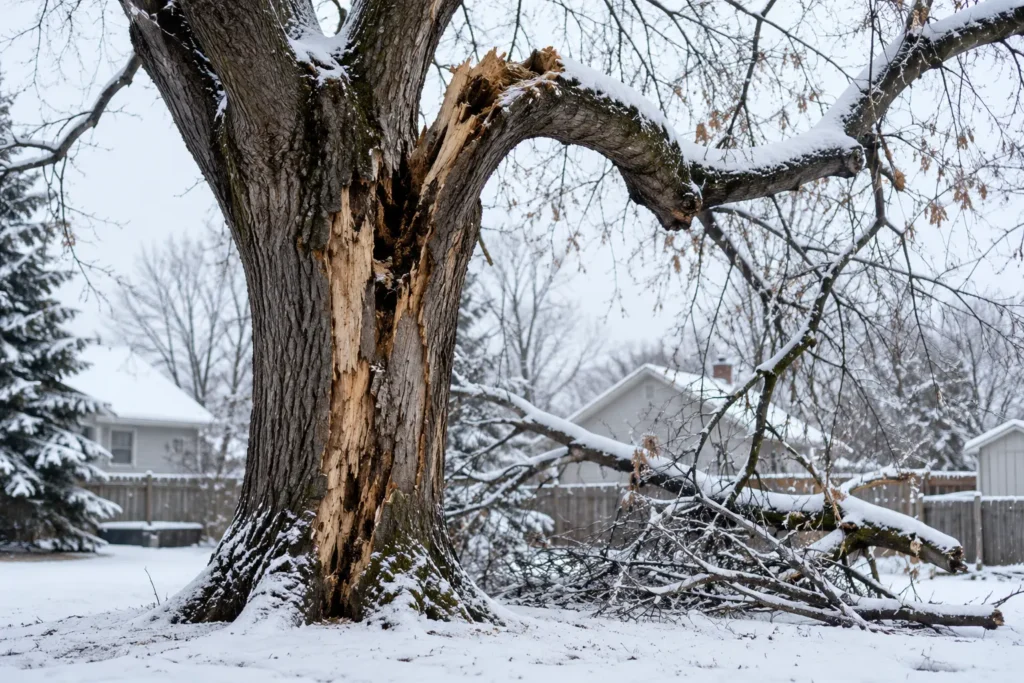
Why Older Backyard Trees Struggle After Harsh Rochester NY Winters
Winter in Rochester, NY, is known for heavy snowfall, freezing temperatures, ice accumulation, and strong winds. While many trees appear dormant during the colder months, winter weather can significantly affect their long-term health. Older backyard trees are particularly vulnerable because they have already endured years of environmental stress, aging processes, and seasonal changes. By the time spring arrives, many homeowners notice thinning canopies, dead branches, delayed leaf growth, or signs of decline that were not visible before winter.
Understanding why mature trees struggle after severe winters can help property owners take preventive measures and protect valuable landscape assets. Professional Tree Care Solutions in Rochester NY can identify hidden damage, improve recovery, and extend the lifespan of aging trees.
How Rochester Winters Affect Mature Trees
Trees naturally enter dormancy during winter. Dormancy helps them conserve energy and survive freezing temperatures. However, extreme winter conditions can place significant stress on older trees.
Unlike younger trees that often have stronger growth rates and better recovery abilities, mature trees have slower regenerative processes. This means they may take longer to heal from injuries caused by snow, ice, and freezing temperatures.
Common winter-related stress factors include:
- Extreme cold temperatures
- Heavy snow accumulation
- Ice storms
- Freeze-thaw cycles
- Winter dehydration
- Salt exposure
- Strong winter winds
When these conditions occur repeatedly throughout the season, mature trees may experience significant structural and physiological damage.
Winter Dehydration Is a Major Problem
Many homeowners assume trees only need water during warm weather. In reality, winter dehydration is one of the most common causes of tree decline.
Tree roots continue absorbing moisture whenever soil conditions allow. During prolonged freezing periods, water becomes unavailable to the root system. Meanwhile, branches continue losing moisture through natural processes.
Older trees often have larger canopies that require greater water reserves. If moisture loss exceeds water uptake during winter, the tree can become dehydrated.
Symptoms may include:
- Dieback at branch tips
- Delayed leaf production
- Sparse foliage
- Cracked bark
- Weak spring growth
Professional Tree Care Solutions in Rochester NY often focus on improving soil moisture management before winter to reduce dehydration risks.
Freeze-Thaw Cycles Create Hidden Damage
Rochester frequently experiences fluctuating winter temperatures. Warm daytime temperatures may be followed by freezing nights.
This repeated expansion and contraction creates stress within tree tissues.
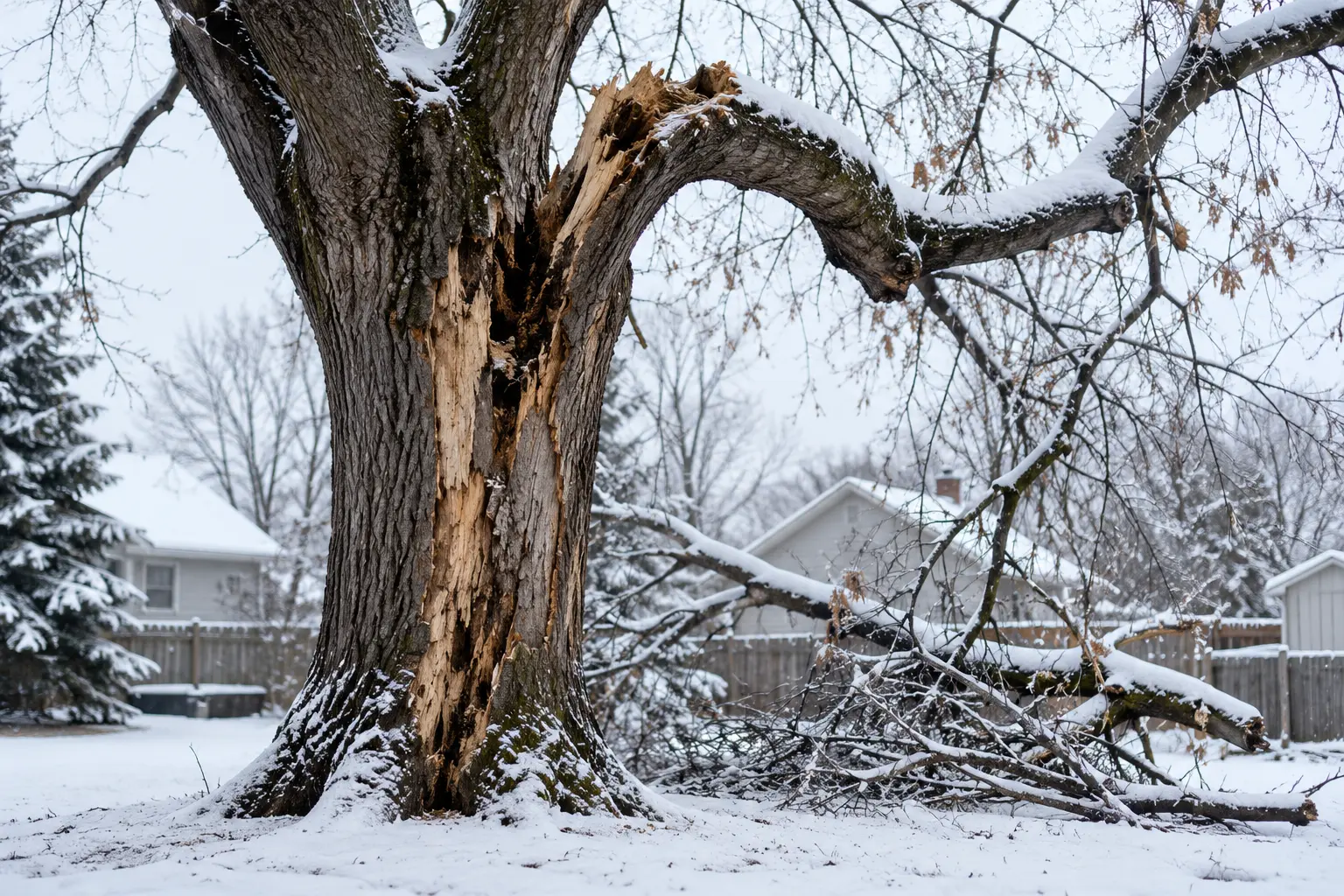
When moisture inside bark freezes, it expands. As temperatures rise, the ice melts and contracts. Repeated cycles can cause:
- Bark splitting
- Frost cracks
- Internal wood damage
- Structural weakness
These injuries may not become obvious until spring or summer when sections of the tree fail to produce leaves.
Mature trees are especially susceptible because older bark becomes less flexible and less capable of handling repeated temperature changes.
Heavy Snow Can Break Aging Branches
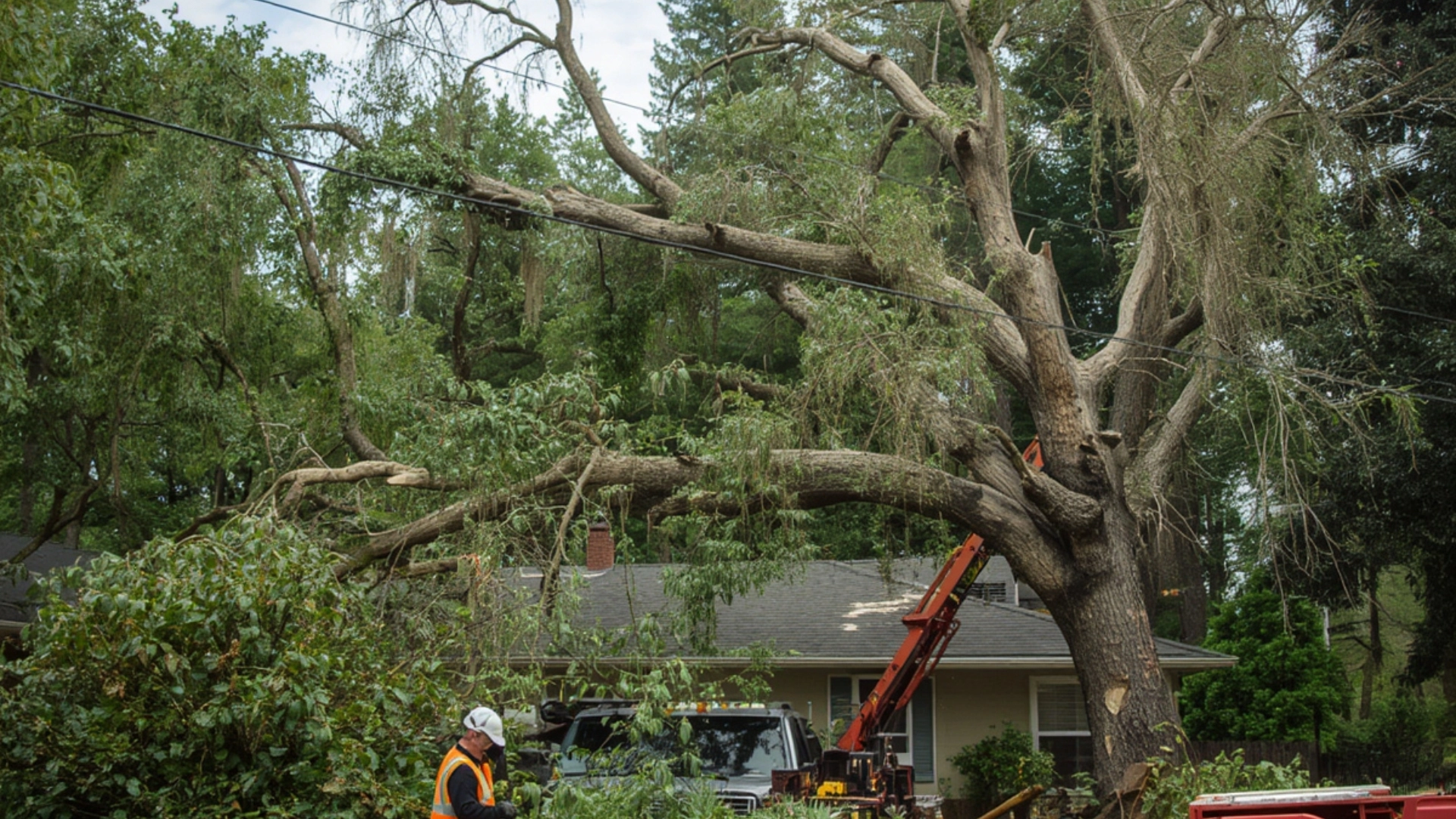
Large backyard trees often develop expansive canopies over decades. While these canopies provide shade and beauty, they also create more surface area for snow accumulation.
Heavy wet snow adds substantial weight to branches.
Common consequences include:
- Broken limbs
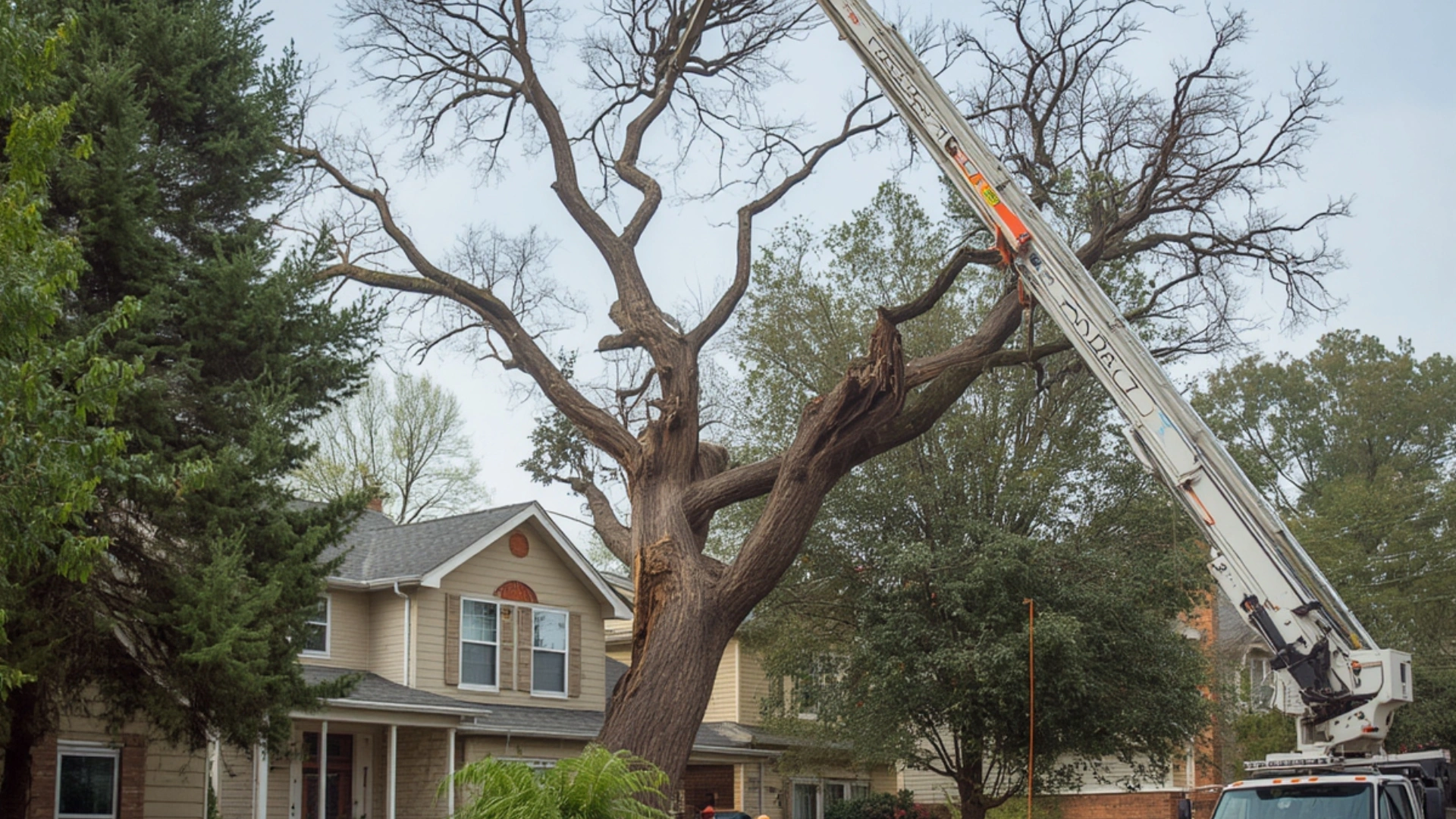
- Split trunks
- Cracked branch unions
- Structural instability
Even branches that remain attached may develop internal fractures that weaken them over time.
Without proper inspections, these hidden defects can eventually lead to branch failure during future storms.
This is one reason why homeowners frequently seek Tree Care Solutions in Rochester NY after severe winter weather events.
Ice Storms Increase Structural Stress
Ice accumulation can be even more damaging than snow.
When freezing rain coats branches, the added weight places tremendous pressure on tree structures.
Older trees often contain:
- Decayed wood
- Hollow sections
- Weak branch attachments
- Previous storm damage
These existing weaknesses become more dangerous when covered by ice.
A single ice storm can accelerate decline in mature trees that previously appeared healthy.
Regular inspections help identify structural concerns before winter weather exposes them.
Salt Damage Impacts Tree Health
Road salt is commonly used throughout Rochester to improve winter driving conditions.
Unfortunately, salt can negatively affect nearby trees.
As snow melts, dissolved salt enters surrounding soil and may be absorbed by roots.
Excess salt can:
- Damage root systems
- Reduce water absorption
- Alter soil chemistry
- Cause leaf scorch during spring growth
Older trees located near driveways, sidewalks, and roads are often exposed to salt year after year.
Over time, cumulative salt damage can weaken trees and reduce their ability to recover from winter stress.
Professional Tree Care Solutions in Rochester NY often include soil assessments and management practices that minimize salt-related problems.
Winter Winds Cause Additional Stress
Strong winter winds are another challenge for mature backyard trees.
Wind can:
- Dry out branches
- Break weakened limbs
- Increase trunk movement
- Damage root systems
Trees already weakened by age or disease may experience significant decline following a season of repeated wind exposure.
Evergreen species are particularly vulnerable because they continue losing moisture throughout winter while exposed to harsh winds.
Proper pruning before winter can reduce wind resistance and improve overall stability.
Older Trees Heal More Slowly
One of the biggest reasons mature trees decline faster after winter is their reduced ability to recover.
As trees age:
- Growth rates slow
- Energy reserves decrease
- Root efficiency declines
- Wound closure takes longer
A young tree may quickly recover from a broken branch or bark injury.
An older tree may struggle to compartmentalize damage, allowing decay organisms to enter exposed tissues.
This slower healing process means winter injuries often have long-term effects on mature trees.
Root Damage Often Goes Unnoticed
Many winter-related tree problems originate below ground.
Frozen soils, compacted snow, and fluctuating moisture conditions can damage roots.
Symptoms of root damage may include:
- Small leaves
- Thin canopy growth
- Branch dieback
- Reduced vigor
- Increased susceptibility to pests
Because roots are hidden underground, homeowners often fail to recognize the issue until visible decline becomes severe.
Routine evaluations are a valuable part of comprehensive Tree Care Solutions in Rochester NY for aging landscape trees.
Winter Stress Makes Trees Vulnerable to Disease
Trees weakened by harsh winters are more susceptible to diseases.
Stress reduces a tree’s natural defense systems, making it easier for pathogens to invade.
Common concerns include:
- Fungal infections
- Canker diseases
- Root rot
- Wood decay organisms
Winter wounds create entry points where disease-causing organisms can establish themselves.
Early detection and treatment can help prevent widespread decline.
Insect Problems Often Follow Winter Damage
Many insects target stressed trees.
When winter weakens a mature tree, pests may take advantage of the reduced defenses.
Examples include:
- Borers
- Scale insects
- Aphids
- Bark beetles
Although insects may not cause the original problem, they often accelerate decline after winter injury occurs.
Monitoring tree health throughout spring and summer helps identify infestations before they become severe.
Signs Your Mature Tree May Be Struggling
Homeowners should watch for warning signs after winter.
Common indicators include:
Dead Branches
Dead limbs often appear after severe cold or ice damage.
Delayed Leaf Growth
Healthy trees typically leaf out on schedule. Delays may indicate stress or internal injury.
Cracked Bark
Visible bark splits may suggest freeze-thaw damage.
Sparse Canopy
Thin foliage often signals root or vascular system problems.
Mushroom Growth
Fungi near the trunk may indicate internal decay.
Excessive Branch Drop
Frequent limb loss can suggest structural weakness.
If any of these symptoms appear, professional evaluation is recommended.
Preventing Winter Damage Before It Starts
Proactive care can significantly improve winter survival rates.
Proper Pruning
Removing weak, damaged, or poorly attached branches reduces storm-related failures.
Deep Watering Before Winter
Hydrated trees are better prepared for freezing conditions.
Mulching
Organic mulch helps regulate soil temperature and retain moisture.
Soil Improvement
Healthy soil supports stronger root systems and better resilience.
Regular Inspections
Early detection of structural defects allows corrective action before winter arrives.
These preventive measures form the foundation of effective Tree Care Solutions in Rochester NY.
Why Professional Tree Assessments Matter
Many winter injuries remain hidden until months later.
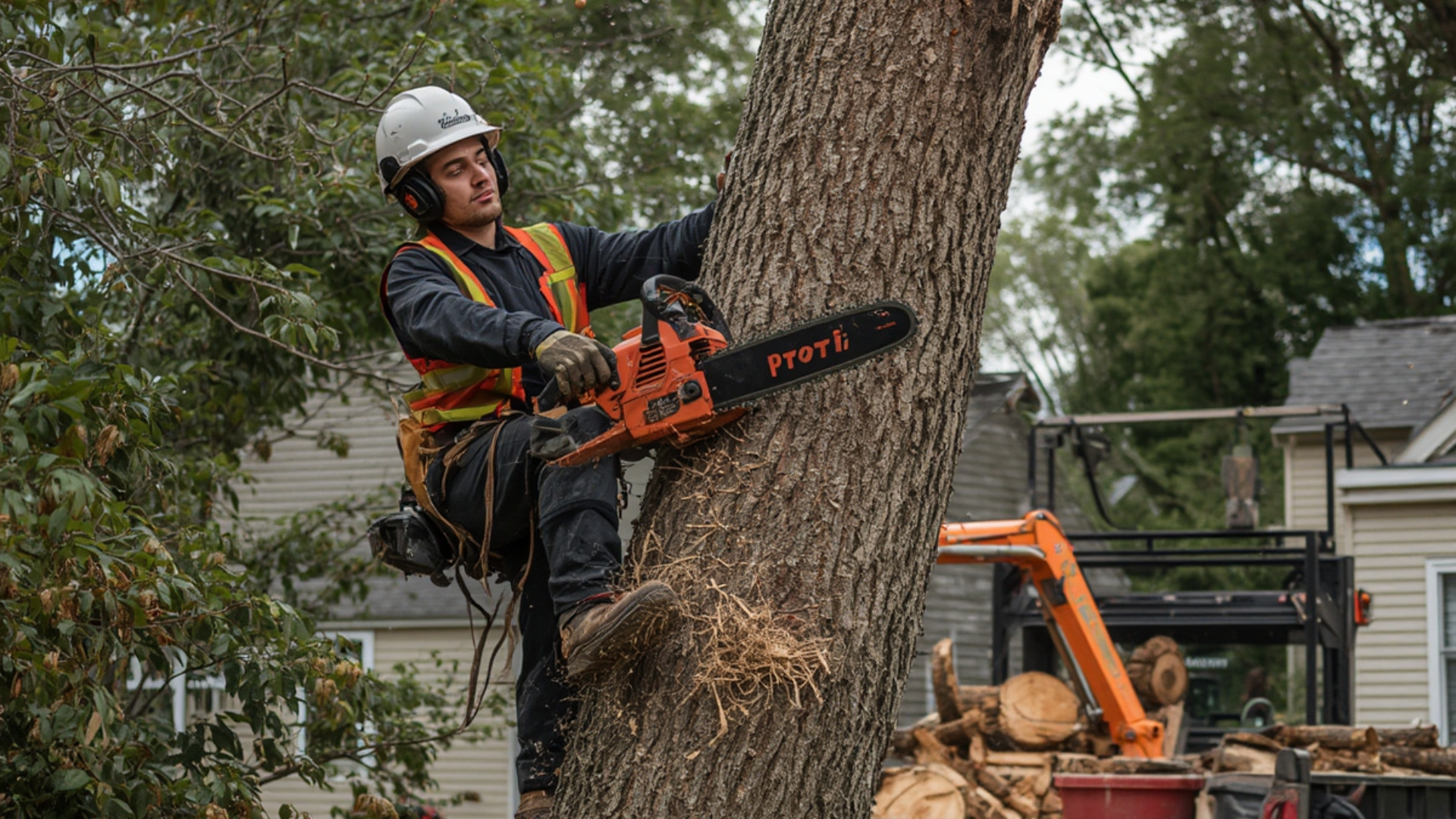
Professional arborists can identify:
- Structural weaknesses
- Root issues
- Disease concerns
- Decay pockets
- Storm damage risks
Early intervention often prevents minor problems from becoming major hazards.
For mature backyard trees, regular evaluations are especially important because aging trees require specialized care strategies.
Protecting the Value of Mature Trees
Large established trees add significant value to residential properties.
Benefits include:
- Shade
- Improved curb appeal
- Increased property value
- Energy savings
- Wildlife habitat
- Environmental benefits
Replacing a mature tree can take decades.
Investing in professional Tree Care Solutions in Rochester NY helps homeowners preserve these valuable landscape assets while reducing future risks.
Conclusion
Harsh Rochester winters can have lasting effects on mature backyard trees. Heavy snow, ice accumulation, winter dehydration, freeze-thaw cycles, salt exposure, and strong winds all contribute to stress and decline. Because older trees recover more slowly than younger ones, even minor winter injuries can lead to significant long-term health problems.
By recognizing warning signs early and implementing proactive maintenance strategies, homeowners can improve tree resilience and extend the life of their landscape investments. Professional Tree Care Solutions in Rochester NY provide the inspections, preventive care, and expert guidance necessary to help mature trees recover successfully after severe winter conditions and remain healthy for years to come.
Frequently Asked Questions (FAQs)
1. Why do older trees suffer more winter damage than younger trees?
Older trees typically have slower growth rates, reduced energy reserves, and existing structural weaknesses, making recovery from winter stress more difficult.
2. Can snow alone damage mature trees?
Yes. Heavy wet snow can break branches, split trunks, and place excessive weight on aging tree structures.
3. What are common signs of winter tree damage?
Common symptoms include dead branches, bark cracks, delayed leaf growth, thinning canopies, and excessive branch loss.
4. How can I help my trees recover after winter?
Proper watering, mulching, pruning, soil management, and professional inspections can improve recovery and overall health.
5. How often should mature trees be inspected?
Most mature trees benefit from a professional inspection at least once per year, especially before and after winter weather seasons.
6. Why are Tree Care Solutions in Rochester NY important for older trees?
Professional Tree Care Solutions in Rochester NY help identify hidden winter damage, improve tree health, reduce safety risks, and extend the lifespan of valuable landscape trees.